In the dynamic landscape of commercial manufacturing, quality control stands as the cornerstone of success. As a seasoned supplier in the field of commercial manufacturing, I’ve witnessed firsthand the profound impact that effective quality control measures can have on a business. In this blog post, I’ll share insights into the key quality control measures we implement to ensure the highest standards in our products and services. Commercial Mfg.
Raw Material Inspection
The journey of quality control begins at the very source – the raw materials. We understand that the quality of the final product is directly influenced by the quality of the materials used. Therefore, we have a rigorous inspection process in place for all incoming raw materials.
Upon receipt, our quality control team conducts a thorough visual inspection to check for any obvious defects such as scratches, dents, or discoloration. We also perform various tests depending on the nature of the material. For example, if we’re dealing with metals, we may conduct hardness tests, chemical composition analysis, and tensile strength tests. For plastics, we might test for melt flow index, density, and impact resistance.
We work closely with our trusted suppliers to ensure that they meet our strict quality standards. We have a supplier evaluation system in place, where we regularly assess their performance based on factors such as product quality, delivery time, and customer service. By maintaining strong relationships with reliable suppliers, we can minimize the risk of receiving sub – standard raw materials.
In – Process Quality Checks
Once the raw materials are approved, the manufacturing process begins. Throughout this process, we conduct regular in – process quality checks to identify and address any potential issues early on.
We use a combination of manual and automated inspection methods. For manual inspections, our trained operators visually inspect the products at various stages of production. They look for any signs of defects, such as improper assembly, incorrect dimensions, or surface imperfections.
Automated inspection systems, on the other hand, use advanced technologies such as machine vision, laser scanning, and ultrasonic testing. These systems can detect even the smallest defects with high precision and speed. For example, machine vision systems can quickly identify surface defects, missing components, or incorrect labeling on products.
We also implement statistical process control (SPC) techniques. SPC involves collecting and analyzing data from the manufacturing process to monitor its stability and performance. By plotting data on control charts, we can identify trends and patterns that may indicate a potential problem. If the process goes out of control, we take immediate corrective action to bring it back within the acceptable limits.
Final Product Inspection
Before the products are shipped to our customers, they undergo a comprehensive final product inspection. This inspection is designed to ensure that the products meet all the specified requirements and quality standards.
Our final inspection process includes a detailed visual inspection, functional testing, and dimensional measurement. For visual inspection, we check the overall appearance of the product, including its finish, color, and labeling. Functional testing is carried out to verify that the product performs as intended. For example, if we’re manufacturing electronic devices, we test their electrical functions, such as power consumption, signal strength, and data transfer.
Dimensional measurement is crucial to ensure that the product meets the required specifications. We use precision measuring tools such as calipers, micrometers, and coordinate measuring machines (CMMs) to measure the critical dimensions of the product. Any product that fails to meet the dimensional requirements is either reworked or rejected.
Quality Management System
To ensure the effectiveness of our quality control measures, we have implemented a comprehensive quality management system (QMS). Our QMS is based on international standards such as ISO 9001, which provides a framework for quality management in manufacturing organizations.
The QMS includes procedures for all aspects of our business, from product design and development to production, inspection, and customer service. It also includes a system for documenting and tracking quality – related data, such as inspection results, non – conformities, and corrective actions.
We conduct regular internal audits to assess the compliance of our QMS with the ISO 9001 standard. These audits help us identify areas for improvement and ensure that our quality control processes are continuously optimized. In addition, we undergo external audits by independent certification bodies to obtain ISO 9001 certification, which serves as a testament to our commitment to quality.
Employee Training and Development
Our employees are our most valuable asset when it comes to quality control. We believe that well – trained and motivated employees are essential for maintaining high – quality standards in our manufacturing processes.
We provide comprehensive training programs for all our employees, from production operators to quality control inspectors. These training programs cover a wide range of topics, including quality control principles, inspection techniques, and the use of quality management tools.
We also encourage our employees to participate in continuous learning and development activities. For example, we support them in obtaining relevant certifications and attending industry conferences and workshops. By investing in employee training and development, we can enhance their skills and knowledge, which in turn leads to improved product quality.
Customer Feedback and Continuous Improvement
Customer feedback is a valuable source of information for us. We actively seek feedback from our customers to understand their needs and expectations, and to identify areas where we can improve our products and services.
We have a system in place for collecting and analyzing customer feedback. This includes conducting customer surveys, monitoring customer complaints, and holding regular meetings with our key customers. Based on the feedback we receive, we take appropriate actions to address any issues and make improvements to our quality control processes.
Continuous improvement is an ongoing process in our organization. We use the Plan – Do – Check – Act (PDCA) cycle to drive continuous improvement in our quality management system. This cycle involves planning for improvement, implementing the changes, checking the results, and taking corrective actions if necessary. By continuously monitoring and improving our quality control measures, we can stay ahead of the competition and meet the ever – changing needs of our customers.
Conclusion
In conclusion, quality control is a multi – faceted process that requires a comprehensive approach. As a commercial manufacturing supplier, we are committed to implementing strict quality control measures at every stage of the manufacturing process, from raw material inspection to final product delivery.

By focusing on raw material quality, in – process checks, final product inspection, quality management systems, employee training, and customer feedback, we can ensure that our products meet the highest standards of quality. This not only helps us build a strong reputation in the market but also enables us to establish long – term relationships with our customers.
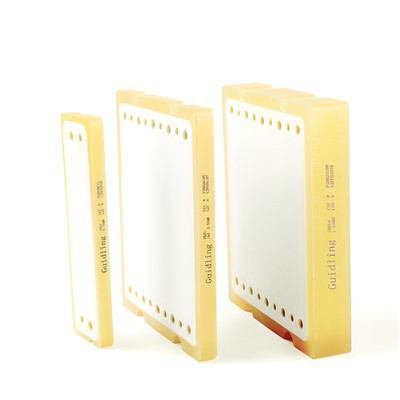
UF Cassettes If you’re in the market for high – quality commercial manufacturing products, I invite you to reach out to us for a procurement discussion. We’re confident that our quality control measures and commitment to excellence will meet your needs and exceed your expectations.
References
- ISO 9001:2015 Quality management systems – Requirements
- Montgomery, D. C. (2017). Introduction to Statistical Quality Control. Wiley.
- Juran, J. M., & Godfrey, A. B. (2010). Juran’s Quality Handbook. McGraw – Hill.
Hangzhou Guidling Technology Co., Ltd.
Address: No.795, 18th Street, Qiantang New District, Hangzhou City, Zhejiang Province, China
E-mail: export1@guidling.net
WebSite: https://www.guidlingfiltration.com/
