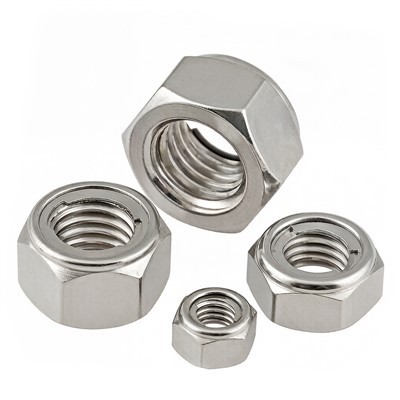
Surface treatments for special fasteners play a crucial role in enhancing their performance, durability, and functionality. As a supplier of special fasteners, I have witnessed firsthand the significance of these treatments in meeting the diverse needs of our customers. In this blog, I will explore various surface treatments available for special fasteners, their benefits, and how they can add value to your projects. Special Fasteners
1. Zinc Plating
Zinc plating is one of the most common surface treatments for special fasteners. It involves depositing a layer of zinc onto the surface of the fastener through an electro – plating process. This treatment offers excellent corrosion resistance, especially in mild to moderate environments.
The zinc layer acts as a sacrificial anode, meaning it corrodes before the base metal of the fastener. This protects the fastener from rust and other forms of corrosion, extending its service life. Zinc – plated fasteners are widely used in automotive, construction, and general machinery applications.
There are different types of zinc plating, such as clear zinc, yellow zinc, and black zinc. Clear zinc provides a basic level of corrosion protection and has a bright, shiny appearance. Yellow zinc contains a chromate conversion coating, which offers enhanced corrosion resistance compared to clear zinc. Black zinc is often chosen for its aesthetic appeal in applications where a black finish is desired, and it also provides a reasonable level of corrosion protection.
2. Hot – Dip Galvanizing
Hot – dip galvanizing is a more heavy – duty corrosion – protection method for special fasteners. In this process, the fasteners are immersed in a bath of molten zinc at a temperature of around 450°C. The zinc reacts with the steel or iron base metal to form a series of zinc – iron alloy layers.
This treatment provides excellent long – term corrosion resistance, even in harsh outdoor environments such as marine, coastal, and industrial settings. The thick zinc coating on hot – dip galvanized fasteners can withstand years of exposure to moisture, salt, and chemicals without significant rusting.
However, hot – dip galvanizing has some limitations. The process can cause a slight increase in the dimensions of the fasteners, which may need to be considered in applications where tight tolerances are required. Also, the appearance of hot – dip galvanized fasteners is not as smooth as some other surface treatments, but this is often acceptable in many industrial applications.
3. Nickel Plating
Nickel plating is another popular surface treatment for special fasteners. It offers good corrosion resistance, hardness, and wear resistance. Nickel – plated fasteners have a smooth, shiny surface that is resistant to tarnishing and provides an attractive finish.
There are different types of nickel plating, including bright nickel and satin nickel. Bright nickel plating gives a highly reflective, mirror – like finish, which is often used in decorative applications. Satin nickel has a duller, more matte appearance and is preferred in applications where glare needs to be reduced.
Nickel plating is also used in applications where the fasteners need to be resistant to certain chemicals. For example, in the food and beverage industry, nickel – plated fasteners are used because they are resistant to the acidic and alkaline substances present in many food products.
4. Chrome Plating
Chrome plating provides a hard, durable, and attractive surface for special fasteners. It offers excellent corrosion resistance, wear resistance, and a high – gloss finish. Chrome – plated fasteners are commonly used in automotive, motorcycle, and decorative applications.
There are two main types of chrome plating: decorative chrome and hard chrome. Decorative chrome plating is mainly used for its aesthetic appeal, providing a bright, shiny finish that enhances the appearance of the fasteners. Hard chrome plating, on the other hand, is used for applications where high wear resistance is required, such as in high – performance machinery.
However, chrome plating has some environmental and cost – related challenges. The chrome – plating process involves the use of hexavalent chromium, which is a toxic substance. Stricter environmental regulations have led to the development of alternative chrome – plating methods that use trivalent chromium, which is less toxic.
5. Phosphate Coating
Phosphate coating is a conversion coating that involves treating the surface of the fastener with a phosphate solution. This treatment creates a porous, crystalline phosphate layer on the surface of the fastener.
Phosphate coatings have several benefits. They provide a good base for subsequent painting, powder coating, or lubrication. The porous structure of the phosphate coating allows the paint or lubricant to adhere better to the surface of the fastener, improving the overall performance of the coating system.
Phosphate coatings also offer some corrosion resistance, although it is not as high as some of the other treatments like zinc plating or hot – dip galvanizing. They are often used in applications where the fasteners need to be painted or where a low – cost corrosion – protection option is required.
6. Black Oxide Coating
Black oxide coating is a chemical conversion process that creates a black, protective layer on the surface of the fastener. This treatment offers a moderate level of corrosion resistance and a unique aesthetic appeal.
Black oxide – coated fasteners have a smooth, matte black finish that is often used in applications where a stealthy or professional look is desired. The coating also provides some lubrication and reduces friction between the fastener and the mating parts, which can be beneficial in applications where the fasteners need to be tightened or loosened frequently.
Black oxide coating is relatively thin, which means it has minimal impact on the dimensions of the fastener. This makes it suitable for applications where tight tolerances are required.
7. PTFE Coating
PTFE (Polytetrafluoroethylene) coating, also known as Teflon coating, is a high – performance surface treatment for special fasteners. PTFE has a low coefficient of friction, which makes it ideal for applications where smooth movement and reduced wear are required.
PTFE – coated fasteners are often used in applications such as aerospace, food processing, and medical devices. In the aerospace industry, PTFE – coated fasteners are used to reduce the risk of galling and seizing in high – stress applications. In the food processing industry, the non – stick properties of PTFE make it suitable for applications where food residue needs to be easily removed.
However, PTFE coating has some limitations. It is relatively soft compared to some other coatings, which means it may not be suitable for applications where high wear resistance is required. Also, the coating process can be more complex and expensive compared to some of the other surface treatments.
How to Choose the Right Surface Treatment
When choosing a surface treatment for special fasteners, several factors need to be considered.
- Environment: The environment in which the fasteners will be used is a critical factor. If the fasteners will be exposed to moisture, salt, or chemicals, a corrosion – resistant treatment such as zinc plating, hot – dip galvanizing, or nickel plating may be required. In harsh outdoor environments, hot – dip galvanizing is often the best choice.
- Functionality: The functionality requirements of the fasteners also play a role. If the fasteners need to have low friction, a PTFE coating may be appropriate. If they need to be a base for painting, a phosphate coating may be the right option.
- Aesthetics: Aesthetic considerations can also influence the choice of surface treatment. For decorative applications, chrome plating or bright nickel plating may be preferred. For a more subdued look, black oxide coating may be a good choice.
- Cost: Cost is always a factor in any decision. Some surface treatments, such as hot – dip galvanizing and PTFE coating, can be more expensive than others. It is important to balance the cost with the performance requirements of the fasteners.
Conclusion
As a supplier of special fasteners, I understand the importance of providing our customers with fasteners that meet their specific needs. Surface treatments are an essential part of this process, as they can significantly enhance the performance, durability, and appearance of the fasteners. By choosing the right surface treatment, you can ensure that your special fasteners will perform well in their intended applications, providing long – term reliability and value.
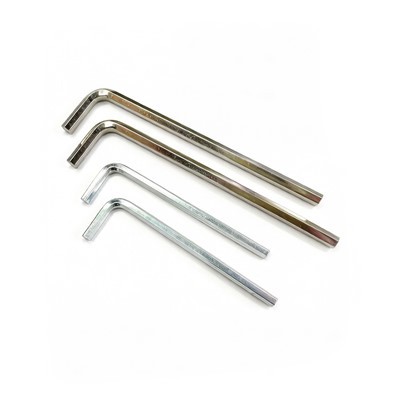
If you are in the market for special fasteners and need help in choosing the right surface treatment for your project, I would be more than happy to assist you. Our team of experts has extensive knowledge and experience in the field of special fasteners and surface treatments. We can work with you to understand your requirements and recommend the best solution for your specific application. Contact us for a detailed discussion and to explore how our special fasteners can add value to your projects.
References
Washers -ASM Handbook Volume 5: Surface Engineering. ASM International.
-Schwartz, M. Surface Finishing of Metals. McGraw – Hill.
-Parker, R. J. The Technology of Zinc Plating. AESF Foundation.
Shanghai Megood Metal Products Co., Ltd.
As one of the most experienced special fasteners manufacturers and suppliers in China, we have world-leading production equipment and strong manufacturing capabilities. Please rest assured to wholesale bulk special fasteners made in China here and get quotation from our factory. Customized orders are welcome.
Address: Building 8, No. 1500 Huiren Road, Waigang Town, Jiading District, Shanghai
E-mail: liujingshco@163.com
WebSite: https://www.mgx-hardware.com/
