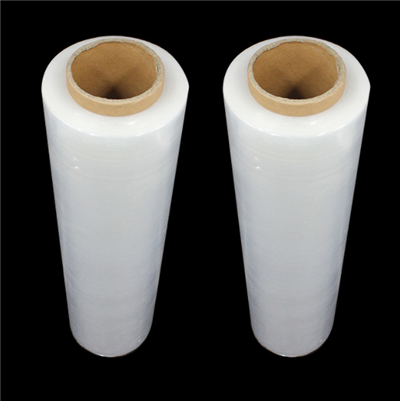
Hey there! I’m a supplier of shrink film, and I know firsthand how important it is to protect this stuff from sunlight and the crazy weather. Shrink film is super useful in all sorts of industries, from packaging food to wrapping up big industrial products. But if you don’t take good care of it, sunlight and weather can really mess it up. So, let’s talk about how to keep your shrink film in tip – top shape. Shrink Film
Why Sunlight and Weather are a Big Deal
First off, why should we even worry about sunlight and weather? Well, sunlight, especially the UV rays, can break down the polymers in shrink film. You see, shrink film is made up of these long – chain molecules called polymers. UV rays have enough energy to cut these chains, which weakens the film. When the film gets weak, it loses its strength and elasticity. That means it won’t shrink properly, and it might even tear easily when you’re trying to use it.
As for the weather, rain and humidity can be a real pain. If shrink film gets wet, it can develop mold and mildew. And once that happens, not only does it look gross, but it can also affect the film’s performance. Cold weather can make the film brittle. When it’s too cold, the film loses its flexibility, and it can crack when you try to stretch or shrink it. On the other hand, hot weather can make the film sticky. It might start to melt a bit, and it could end up all stuck together in a big mess.
Storage Solutions
The first step in protecting shrink film is proper storage. You want to keep it away from direct sunlight. A simple way to do this is to store it in a warehouse or a storage shed. If you don’t have a big warehouse, even a small storage room can work. Just make sure the windows are covered with blinds or curtains to block out the sunlight.
When it comes to temperature and humidity control, it’s crucial. You should aim to keep the storage area at a relatively stable temperature. A good range is between 50 – 70 degrees Fahrenheit (10 – 21 degrees Celsius). You can use a thermostat to monitor the temperature. For humidity, try to keep it below 60%. You can use a dehumidifier to remove excess moisture from the air.
Another thing you can do is to store the shrink film on pallets. This keeps it off the floor, which can be damp. And make sure the pallets are in good condition, so they don’t damage the film.
Packaging During Transit
If you’re shipping the shrink film, you’ve got to take extra precautions. First, use UV – resistant packaging. There are special types of boxes and wraps that can block UV rays. This is especially important if the shipment is going to be exposed to sunlight for a long time, like on a truck or a ship.
You also need to protect the film from the elements during transit. If it’s going to rain or snow, make sure the packaging is waterproof. You can use plastic covers or waterproof bags. And don’t forget about temperature control. If you’re shipping in extreme cold or hot weather, you might need to use insulated packaging or even temperature – controlled containers.
Using Protective Coatings
There are some cool protective coatings available for shrink film. These coatings can act as a shield against UV rays and moisture. Some coatings are applied during the manufacturing process, while others can be added later.
If you’re a customer who already has shrink film and wants to add a protective coating, there are spray – on options. Just make sure to follow the instructions carefully when applying the coating. You don’t want to use too much or too little.
Regular Inspections
It’s a good idea to do regular inspections of your shrink film. Check for any signs of damage, like discoloration, brittleness, or stickiness. If you notice any problems, it’s better to address them early. You might need to move the film to a different storage location or take other steps to protect it.
Handling and Usage Tips
When you’re using the shrink film, be gentle with it. Don’t pull it too hard, especially if it’s been exposed to cold weather. And make sure your hands are clean and dry before handling the film. Oils and moisture from your hands can also damage the film over time.
If you’re using a shrink – wrapping machine, make sure it’s properly calibrated. A machine that’s not set up right can cause the film to shrink unevenly, which can lead to problems down the line.
Conclusion

So, there you have it! Protecting shrink film from sunlight and weather is all about proper storage, good packaging during transit, using protective coatings, doing regular inspections, and handling it correctly. By following these tips, you can make sure your shrink film stays in great condition and performs well when you need it.
Food Bags If you’re interested in purchasing high – quality shrink film or have any questions about protecting it, I’d love to chat. You can reach out to me to discuss your needs and get the best shrink film solutions for your business.
References
- "Plastic Packaging: Properties, Processing, Applications, and Regulations" by Sachin S. Deshpande
- "Handbook of Polymer Science and Technology" by Herman F. Mark
Xiamen Leadkit Group Co., Ltd.
Xiamen Leadkit Group Co., Ltd. is one of the most professional shrink film manufacturers and suppliers in China, specialized in providing high quality customized service. Please feel free to wholesale cheap shrink film from our factory. Contact us for more details.
Address: No.398, Jiahe Road, Huli District, Xiamen, Fujian, China
E-mail: effie@leadkitpackaging.com
WebSite: https://www.leadkitpackaging.com/
