What is the history of continuously transposed conductors? Well, let me tell you, it’s a pretty interesting story, especially since I’m in the business of supplying these conductors. Continuously Transposed Conductors
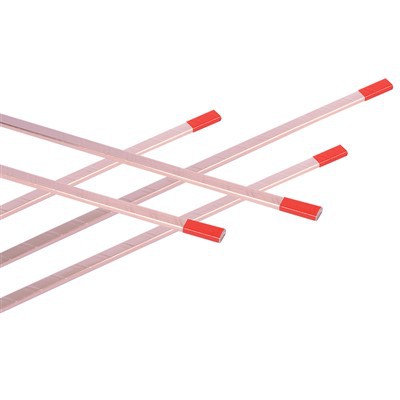
Early Beginnings
The whole idea of continuously transposed conductors (CTCs) started way back when the electrical industry was just taking off. In the early days of electrical power distribution and the development of transformers, engineers faced a big problem. You see, when you have a bunch of parallel conductors carrying current, there’s this thing called eddy – current loss. Eddy currents are like little loops of current that form within the conductor due to the changing magnetic field around it. These eddy currents cause the conductor to heat up, and that’s a big no – no because it means wasted energy and can even damage the equipment.
Engineers knew they had to find a way to reduce these eddy – current losses. So, they came up with the concept of transposing the conductors. Transposing means changing the position of the individual conductors within a bundle. By doing this, the magnetic field experienced by each conductor is more evenly distributed, and the eddy – current losses are reduced.
The first attempts at transposing conductors were pretty basic. They were done manually, and it was a time – consuming and labor – intensive process. Workers had to physically move the conductors at regular intervals along the length of the bundle. This was okay for small – scale applications, but as the demand for larger and more efficient electrical equipment grew, a better solution was needed.
The Birth of Continuously Transposed Conductors
The real breakthrough came when someone thought of doing the transposition continuously. Instead of making these manual, intermittent changes, they developed a method to transpose the conductors smoothly and continuously along the entire length of the cable. This was a game – changer.
The first CTCs were simple in design compared to what we have today. They were made up of a small number of individual conductors, usually copper, which were wound and transposed together. The manufacturing process was still relatively primitive, but it was a huge step forward. These early CTCs were mainly used in small transformers and some basic electrical machinery.
The advantage of CTCs was quickly recognized. They offered a significant reduction in eddy – current losses, which meant more efficient energy transfer. This was crucial as the world was becoming more and more reliant on electricity. With the growth of industries and the increasing demand for electricity in homes, the need for efficient electrical equipment was sky – high.
Development and Refinement
As time went on, the technology behind CTCs continued to develop. Manufacturers started to use better materials. For example, instead of just using pure copper, they began to experiment with copper alloys. These alloys had better electrical conductivity and were more resistant to corrosion, which increased the lifespan of the CTCs.
The manufacturing processes also became more sophisticated. Specialized machinery was developed to produce CTCs more accurately and at a faster rate. This allowed for larger – scale production, which in turn made CTCs more affordable and accessible. As a result, they started to be used in a wider range of applications, not just in transformers but also in high – voltage power cables and large electrical generators.
In addition, the design of CTCs became more complex. Engineers started to optimize the number of conductors, the pitch of the transposition, and the overall cross – sectional area of the CTC to suit different applications. For instance, in high – voltage transformers, a CTC with a larger number of conductors and a specific transposition pitch might be used to minimize losses and ensure reliable operation.
The Modern Era
Today, CTCs are an essential part of the electrical industry. They are used in all sorts of high – tech electrical equipment, from the largest power transformers in power plants to the small transformers in your laptop chargers.
One of the recent trends in CTC technology is the focus on environmental sustainability. There’s a growing demand for CTCs that are made from recycled materials or are more energy – efficient to produce. Manufacturers are also working on developing CTCs that can operate at higher temperatures without significant loss of performance. This is important as modern electrical equipment is often designed to be more compact and generate more heat.
Another aspect is the use of computer – aided design and manufacturing techniques. These allow for even more precise control over the design and production of CTCs. Engineers can simulate the performance of different CTC designs under various conditions before actually manufacturing them, which saves time and resources.
Why Choose Our Continuously Transposed Conductors
As a supplier of CTCs, I can tell you that we’ve come a long way in this industry. We’ve seen all the changes and developments over the years, and we’ve adapted our products and services accordingly.
Our CTCs are made using the latest technology and the highest – quality materials. We have a team of experienced engineers who are constantly working to improve our products. We can offer a wide range of CTCs to suit different applications, whether it’s for a small – scale industrial project or a large – scale power grid upgrade.
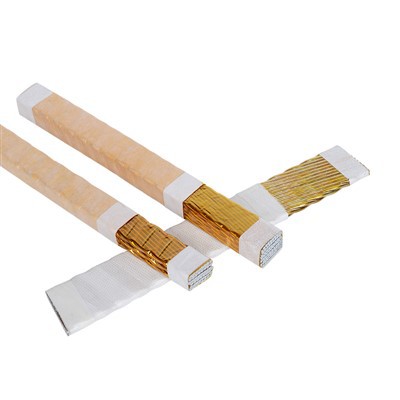
We understand that our customers are looking for reliable, efficient, and cost – effective solutions. That’s why we focus on providing not just high – quality products but also excellent customer service. We work closely with our customers to understand their specific needs and then recommend the most suitable CTCs for their projects.
Flat Litz Wire If you’re in the market for continuously transposed conductors, I encourage you to get in touch with us. Whether you’re an electrical engineer working on a new project, a manufacturer looking to upgrade your equipment, or a contractor in need of reliable conductors, we’re here to help. We can provide you with detailed product information, samples, and competitive quotes. So, don’t hesitate to reach out and start a conversation about how we can meet your CTC requirements.
References
- "Electrical Conductors Handbook" – A comprehensive guide on different types of electrical conductors, including historical development.
- Industry reports from leading research firms on the electrical equipment and conductor market trends over the years.
- Technical papers presented at international electrical engineering conferences on the advancements in continuously transposed conductor technology.
Tianjin Jingwei Power Technology Co., Ltd.
As one of the most professional continuously transposed conductors manufacturers and suppliers in China, we’re featured by quality products and good service. Please rest assured to buy durable continuously transposed conductors made in China here from our factory. Contact us for more details.
Address: No.1 Chuangxin Rd. Xiaozhan Industrial Park, Jinnan District, Tianjin, China
E-mail: info@jwdc.cn
WebSite: https://www.jw-dcs.com/
