If you’ve ever stood beside a running machining center, watching a block of raw metal spin, mill, or drill into a precise component for aerospace, automotive, or medical equipment, you might notice a quiet, unassuming part working behind the scenes: the chip conveyor. Most operators and technicians don’t think twice about it until it fails, grinding production to a halt. But as a machining center supplier who’s worked alongside these machines for over a decade, I can tell you the chip conveyor isn’t just an afterthought—it’s the backbone of consistent, efficient, and safe machining operations. Let’s break down what it actually does, why it matters, and why it’s not something you should cut corners on when outfitting your next machining center. Machining Center

First, let’s ground this in what a chip conveyor is, because it’s easy to take the name for granted. Put simply, it’s an automated transport system designed to remove metal or abrasive chips, coolant, and debris from the work zone of a machining center and carry them to a collection bin outside the machine. That sounds straightforward, but the devil is in the details—and those details make all the difference between a smooth run and a costly shutdown.
Think about what happens during a typical machining operation. When a tool cuts a block of steel, aluminum, titanium, or even hardened tool steel, it doesn’t produce a neat pile of shavings—it produces high-volume, often sharp, hot chips. In many cases, those chips are mixed with cutting fluid (coolant) that keeps the tool from overheating, flushes away small debris, and improves surface finish. If you leave those chips and coolant in the machining center’s work zone, you’re asking for trouble. Let’s walk through the immediate risks: for one, sharp chips can damage the new surface of a workpiece, especially if it’s a precision part like a turbine blade or a surgical implant. They can also scratch or warp the machine’s internal components, like the linear guides or spindle, which are calibrated to tolerances of thousandths of an inch. That kind of damage means scrapped parts, expensive repairs, and days of downtime—time that can cost hundreds of thousands of dollars for a high-volume operation.
Then there’s the safety factor. Machining centers run at high speeds, sometimes thousands of rotations per minute. Loose chips on the worktable can get caught in the tool path, causing the tool to break, which sends shards flying at high velocity. That’s not just a risk to the workpiece—it’s a major hazard for operators. I’ve seen first-hand what happens when a chip conveyor fails mid-shift: an operator has to stop production, suit up in heavy gloves and safety glasses, and manually rake hot, sharp chips out of the machine. Not only is that a slow, tedious process, but it’s also a serious injury waiting to happen—cuts, burns, even eye damage from flying chips. A properly functioning chip conveyor eliminates that risk, keeping operators safe and production moving.
But that’s just the basic function. A good chip conveyor does way more than remove chips and coolant. Let’s talk about coolant management, which is critical for any machining operation. Coolant isn’t just a lubricant—it’s a consumable that needs to be filtered and recycled to keep costs down and extend its life. Most modern chip conveyors have built-in filtration systems: magnetic separators for ferrous chips, screen filters for non-ferrous or fine debris, and even centrifugal units that spin coolant to separate remaining chips. That means the coolant that gets carried out of the work zone isn’t just dumped into a waste barrel—it’s cleaned and sent back to the machine to be reused. For a manufacturer that runs multiple machining centers, that adds up to huge savings: less coolant to buy, less hazardous waste to dispose of, and fewer spills that can create slip hazards or contaminate the shop floor.
There’s also the impact on machine longevity. Machining centers are precision tools, built to hold tight tolerances for years. When chips are left in the machine’s sump (the reservoir that holds coolant), they can settle and harden over time, acting like abrasives that wear down the machine’s internal parts. I’ve worked with shops that skipped upgrading their chip conveyors, and within three years, their machines needed major spindle overhauls because of unfiltered debris. A high-quality chip conveyor removes 99% of chips at the point of generation, keeping the sump clean and the machine running smoothly for decades, not just a few years. That’s a huge return on investment—spending a little more upfront on a reliable conveyor saves you from spending tens of thousands on machine repairs down the line.
Now, let’s get into the different types of chip conveyors, because choosing the right one is just as important as having one at all. Not all conveyors work for every job. For example, drag chain conveyors are great for heavy, large chips from rough machining operations—like when you’re removing a lot of material from a thick steel block. They use a series of linked metal plates to pull chips along, and they can handle high temperatures and abrasive materials. On the other hand, auger conveyors are better for fine, stringy chips, like those produced when machining aluminum. The spiral auger twists chips along, preventing them from getting tangled or clogged. Then there’s magnetic conveyors, which are perfect for ferrous chips, since magnets pull the metal away from coolant before it’s filtered, reducing wear on other parts of the conveyor.
I can’t tell you how many times I’ve met with shop managers who tried to save money by buying a cheap, off-the-shelf chip conveyor that doesn’t match their operation’s needs. I remember one shop that specialized in automotive engine blocks—they ran their machining centers 24/7, producing tons of cast iron chips every day. They bought a cheap drag conveyor that couldn’t handle the volume, so chips would build up in the work zone every shift. That led to 2-3 hours of downtime every day, plus several scrapped engine blocks because of surface scratches. After they upgraded to a heavy-duty drag conveyor rated for high-volume, continuous operation, their downtime dropped to less than 30 minutes a week, and their scrap rate went down by 12%. That’s the kind of difference the right conveyor can make.
Another often-overlooked role of the chip conveyor is data and process monitoring. Modern machining centers are part of Industry 4.0, with connected sensors that track every part of the operation—spindle speed, coolant temperature, tool wear. Many new chip conveyors come with integrated sensors that can alert operators if there’s a clog, if the conveyor’s motor is working too hard, or if the filtration system is failing. That kind of real-time data lets shops fix issues before they cause downtime, rather than reacting to a breakdown. For example, if a sensor detects a clog in the conveyor, the operator can clear it during a scheduled break, rather than having to stop production mid-run. That kind of predictive maintenance is a game-changer for high-volume operations where every minute counts.
Let’s also talk about the impact on part quality, which is the bottom line for any manufacturer. If your chip conveyor is leaving chips in the work zone, those chips can get pressed into the workpiece surface during machining, leaving a defect that only shows up during final inspection. That means you have to scrap the part, rework it (if possible), or ship a bad component to a customer—none of which are acceptable. I’ve had customers in the medical device industry tell me that a single defective component can get their entire shipment rejected, which delays their product launch and costs them hundreds of thousands of dollars in contracts. A reliable chip conveyor ensures that chips are removed immediately, so every part comes out of the machining zone clean and defect-free.
Now, if you’re reading this and thinking, “I already have a chip conveyor, is that enough?” let me stop you. Even if you have one, it’s worth checking if it’s meeting your needs. Is it clogging regularly? Are you having to manually clean chips out of the machine every day? Is your coolant looking cloudy or full of debris? If the answer is yes, it might be time to upgrade. A poorly performing chip conveyor isn’t just a nuisance—it’s a drain on your productivity, safety, and bottom line.
As a machining center supplier, I’ve seen how a small investment in a good chip conveyor can transform a shop’s operations. It’s not a flashy part—you won’t see it in marketing materials or trade show displays, but it’s the part that keeps everything running. When we work with a new customer, we don’t just sell them a machining center—we work with them to choose the right chip conveyor for their specific operations, their workpiece materials, and their production volume. We don’t just pick the most expensive one; we pick the one that will solve their specific pain points, whether that’s reducing downtime, improving part quality, or cutting waste.
Let’s recap, just to make sure this sticks: The role of the chip conveyor in a machining center is threefold. First, it removes chips and debris from the work zone to prevent machine damage, part defects, and safety risks. Second, it manages and recycles coolant, cutting costs on supplies and waste disposal. Third, it supports consistent, high-volume production by reducing downtime and integrating with modern monitoring systems. It’s not an accessory—it’s a critical component that makes every other part of your machining center work better.
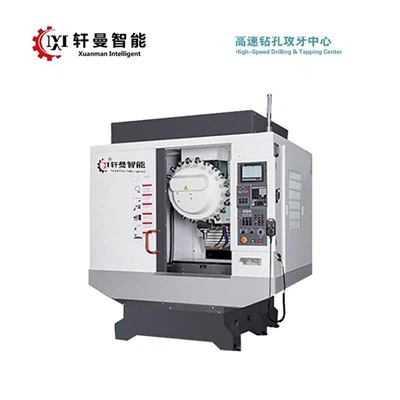
If you’re outfitting a new machining center, upgrading an old one, or dealing with persistent issues from your current chip conveyor, we can help. We’ve partnered with thousands of manufacturers across industries to match them with the right chip conveyors for their unique needs, backed by our technical support and decades of experience in machining. Reach out to us to discuss your operation, and we’ll walk you through our solutions tailored to your production goals.
CNC Gear Hobbing Machine References
- American Machine Tool Distributors’ Association. "CNC Machining Center Operational Best Practices." AMTDA, 2021.
- Steel, John A. "Chip Removal and Coolant Management for Precision Machining." Industrial Press, 2019.
- Vickers, Edward. "Industry 4.0 Integration for Machine Tool Auxiliary Equipment." Journal of Manufacturing Systems, vol. 52, 2020, pp. 112-121.
- Occupational Safety and Health Administration. "Hazard Alert: Preventing Injuries and Fatalities from Machine Tools." OSHA, 2022.
- Machining Technology Magazine. "Choosing the Right Chip Conveyor for Your Operation." Gardner Business Media, 2023.
Jiangsu Xuanman Intelligent Equipment Co., Ltd.
We’re well-known as one of the leading machining center manufacturers in China, featured by quality products and low price. Please rest assured to buy discount machining center made in China here from our factory. We also accept customized orders.
Address: No. 1-1, Weier Road, Jieji Equipment Manufacturing Industrial Park, Sihong County, Suqian City, Jiangsu Province, China
E-mail: jsxmzn@163.com
WebSite: https://www.xm-cnc.com/
