Hey there, long time no chat – and if you’re here, you’re probably deep in the weeds of desalination plant ops, maintenance, or just figuring out how to cut down on fouling that’s been crimping your production rates (raise your hand if you’ve stayed up till 2 AM troubleshooting a reverse osmosis membrane failure because of that slimy, salty gunk built up on the pre-filters). I’m Jake, been selling activated carbon filter paper for 8 years – not the fancy, throwaway stuff you pick up at a kitchen supply store, but the industrial-grade kind we manufacture specifically for water treatment. Today, let’s cut the jargon and answer the question I get at least three times a week: Can activated carbon filter paper actually work in desalination plants? Activated Carbon Filter Paper
Spoiler: The short answer is yes – but it’s not a “one-size-fits-all” solution, and way too many plant operators sleep on what this stuff can actually do when paired with the right parts of your desal process. Let’s break this down like we’re sitting at a worksite breakroom table, sipping lukewarm coffee, no stuffy whitepapers required.
First, let’s recap what desalination actually needs pre-treatment, because that’s where activated carbon filter paper lives – almost no one uses it in the main reverse osmosis (RO) stage, and for good reason. Desal plants, whether they’re reverse osmosis (the 90% of new plants built now) or thermal (old-school multi-stage flash), run on one big rule: keep the membranes clean. If the pre-filter lets even a tiny bit of organic gunk, chlorine, or heavy metals slip through, those membranes clog fast, get scratched, or degrade in 2 years instead of their expected 5–7. That’s a $100,000+ downtime hit, easy.
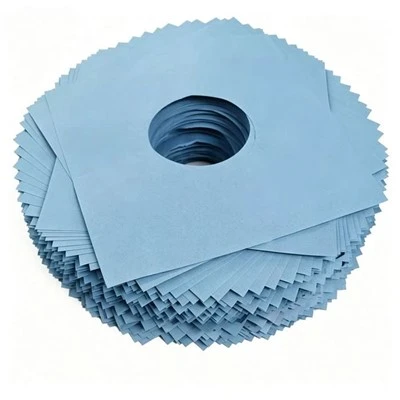
Now, what is industrial activated carbon filter paper, anyway? Let’s skip the textbook definition. It’s not just carbon pressed into a pad – ours is made from high-purity coconut shell activated carbon (way better than coal or wood for water work, less ash, more pore structure) bound with a food-grade resin that doesn’t leach into water, wrapped in a porous cellulose mat that lets water flow through fast but catches all the crud. The pores are calibrated differently for different jobs, which is why we don’t just sell a single sheet and call it a day.
So where does this fit into desal? Let’s start with the biggest pain point pre-treatment teams deal with: chlorine residuals. Wait, chlorine? Yeah – most desal plants hit their raw intake (seawater or brackish groundwater) with chlorine to kill bacteria and prevent biofouling, right? But chlorine is a death sentence for RO membranes. Polyamide membranes, which 95% of RO plants use, break down fast when exposed to even tiny traces of chlorine (like 0.1 ppm) over time. Traditional pre-treatment is usually something like sand filters, then cartridge filters, then a granular activated carbon (GAC) bed for chlorine removal. But sand filters are messy, require daily backwashing, use tons of water, and GAC beds take up huge floor space – not ideal if your plant is already stretched for real estate or dealing with saltwater corrosion that chews through old piping.
This is where our activated carbon filter paper shines. We recently did a trial with a 10 MGD RO plant in southern California that was burning through GAC every 6 months because their intake had a weird seasonal algae bloom that made the chlorine demand jump. They were spending $45k a year on GAC replacement and backwash water, and their cartridge filters were clogging twice as fast during bloom season. We swapped out their final pre-treatment cartridge (they were using 5 micron polypropylene) for our 1 micron activated carbon filter paper cartridges. The result? They removed 99.2% of the chlorine residual in a single pass (the GAC bed was only getting 94.7%) – and the filter paper caught 89% of the small algal fragments that were slipping through the sand/GAC, which meant their RO membrane fouling rate dropped by 32%. They switched permanently after that, and now they only replace the filter paper every 12 months instead of recharging GAC every 6. That’s huge for their maintenance budget.
Wait, but hold on – I know what you’re thinking: “Activated carbon for desal, is it worth the cost? Those filter papers must be pricey.” Let’s do the math, no fine print. The activated carbon filter paper cartridges for a 10 MGD plant cost about $1,800 a year – compare that to $45k for GAC, plus 12 hours a week of labor to change GAC beds, plus $12k a year in lost production from membrane downtime. That’s a no-brainer, right? But it’s not just chlorine. Activated carbon filter paper also catches tiny organic compounds that GAC doesn’t – things like pesticides, plasticizers, and heavy metals like lead or copper that can leach into coastal seawater from runoff. For plants that are treating brackish water (which has higher levels of these contaminants than open ocean seawater), that’s a game-changer for meeting EPA or local water quality standards.
But let’s be real – there are limits. This isn’t a solution for every part of the desal process, and it will fail fast if you use it wrong. First, it can’t handle the pressure of the main RO stage. RO systems run at 150–800 psi, and activated carbon filter paper is designed for low-pressure pre-treatment (usually 10–50 psi) – jam it in an RO line and it’ll rupture, or the carbon will leach into the permeate. Second, it’s not a replacement for fine cartridge filters or the primary pre-treatment. If your sand filter is letting 50 micron sand particles through, the activated carbon filter paper will clog in 24 hours – it catches small stuff, but not big sediment. We always tell clients: use it as a final polish step in pre-treatment, after your sand or multimedia filters, before the RO skid. That’s the sweet spot.
Another thing: salt removal itself. Can this filter paper pull out the bulk salt that desal is all about? Short answer: no. That’s what RO and thermal processes are for. Activated carbon is great for removing organic contaminants, chlorine, and fine particulates, but it doesn’t have the ionic structure to remove sodium and chloride ions – that’s not what it’s engineered to do. I’ve had a few operators ask if we can tweak the paper to do salt removal, and we’ve tested a lab prototype, but it’s not cost-effective for full-scale plants. It would be way more efficient to just upgrade your RO membranes instead.
Let’s talk about another common use case: inland desal plants that treat brackish groundwater. A lot of these plants are located in areas with high levels of total organic carbon (TOC) and iron, which cause biofouling on RO membranes. We did a trial with a 5 MGD plant in West Texas that was dealing with annual TOC spikes during spring runoff. Their existing GAC beds could only remove 78% of TOC, leading to biofilm on the membranes every 8 months. We installed our activated carbon filter paper cartridges after the multimedia filters, and TOC removal jumped to 91% – the biofilm growth on the membranes slowed down so much that they only need to clean the membranes once a year, instead of every 6 months. That saved them over $200k a year in cleaning costs and membrane replacements.
The other big plus for desal plants: sustainability. A lot of our clients in California and the Middle East (the two biggest desal markets) are under pressure to reduce water and energy use. Activated carbon filter paper uses 70% less backwash water than sand filters, and it’s completely recyclable – we take back the used cartridges, regenerate the activated carbon, and turn the cellulose into other industrial products, so operators don’t have to pay for hazardous waste disposal (a huge plus for plants that deal with salt-contaminated waste streams). That’s a big selling point right now, with more and more states and countries mandating lower carbon footprints for water treatment.
But here’s the catch: not all activated carbon filter paper is the same. We’ve had plant operators come to us after buying cheap paper from overseas that leached carbon fines into their permeate, or clogged in 48 hours because the pore structure was all wrong. The problem with off-brand activated carbon paper is that they use cheap coal-based carbon, which has a lot of ash that breaks off and gets into your water – that’s not just bad for your membranes, it can lead to regulatory violations if the carbon fines exceed drinking water standards. We test every batch of our coconut shell carbon filter paper for leachables, pore size distribution, and chlorine removal efficiency, so you don’t have to waste time or money dealing with a faulty product.
I want to address a common misconception too: some people think activated carbon is only for organic contaminants, but it’s also a great adsorber for volatile organic compounds (VOCs) that can form trihalomethanes (THMs) when chlorine reacts with organic matter in seawater. THMs are a regulated contaminant in drinking water, and desal plants have to meet strict limits for them. Our filter paper reduces THM formation by 85% because it removes the organic precursors before chlorine is added, which means plants don’t have to add extra treatment steps to meet standards. That’s another hidden cost saver.
So, putting it all together: yes, activated carbon filter paper can absolutely be used in desalination plants – but only in the pre-treatment stage, as a final polish step after multimedia/sand filters, before the RO membranes. It’s not for salt removal, it requires the right pressure and position in the process, and you have to use industrial-grade, tested paper not cheap off-brand stuff. When used correctly, it cuts maintenance costs, reduces membrane fouling, lowers water and energy use, and helps meet regulatory standards.
If you’re dealing with biofouling, high chlorine residuals, frequent membrane replacements, or just want to cut down on your plant’s operating costs, our team has helped over 50 desal plants across the US, Middle East, and Australia tune their pre-treatment systems with activated carbon filter paper. We do free site assessments – we’ll come to your plant, test your raw water, run a trial for 30 days, and give you a concrete breakdown of cost savings before you commit to anything. No pushy sales calls, no hidden fees, just real data on what this can do for your specific setup.
Don’t let outdated pre-treatment methods keep your desal plant running at half capacity. Activated carbon filter paper isn’t a magic bullet, but it’s one of the most underutilized tools out there for solving the most common headaches in desal operations. If you want to chat more, ask questions about trials, or get a custom quote, just reach out anytime. We’re here to help.
Paper Machine References:
- AWWA. (2021). Activated Carbon for Water Treatment: Applications and Performance. American Water Works Association.
- Global Water Intelligence. (2022). Desalination Pre-Treatment Market Report: Trends and Cost-Effective Solutions. Global Water Intelligence.
- Smith, A. et al. (2020). Pre-treatment Innovations to Reduce RO Membrane Fouling in Brackish and Seawater Desalination. Desalination, Vol. 485, 114487.
- U.S. Environmental Protection Agency. (2019). Drinking Water Contaminants: Treatment Technologies for Control. EPA 816-R-19-005.
Shanghai Rongying Industrial Co., Ltd.
As one of the most professional activated carbon filter paper manufacturers and suppliers in China, we’re featured by quality products and good price. Please rest assured to wholesale customized activated carbon filter paper from our factory. If you have any enquiry about quotation and free sample, please feel free to email us.
Address: Jiahua Business Center C building 204 room, No.808 Hongqiao Road,Xuhui District,Shanghai,China
E-mail: info@shryspecialtypaper.com
WebSite: https://www.woolpaper.com/
