Hey there, Wool Paper
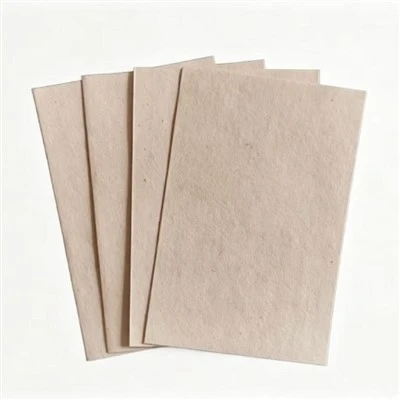
If you’ve ever ordered something that had that weird, scratchy, almost papery feeling but still held a hint of softness, odds are you’ve gotten a sample of wool paper – and maybe you’ve wondered what that “surface finish” even means for this stuff. As someone who’s been supplying wool paper for years (let’s be real, I’ve touched more rolls than I can count), I get it. Most people think “paper is paper” until they hold wool paper, and then they’re confused about why it doesn’t feel like their office printer paper, or even the cardstock they use for DIYs. Today I’m breaking down exactly what the surface finish of wool paper is, why it’s different from regular paper, and why that matters if you’re thinking about ordering some for your next project.
First off, let’s get one thing straight: wool paper isn’t just “paper with wool added in.” It’s a sustainable, specialty material made from a blend of plant-based fibers (usually cotton or hemp, sometimes a touch of recycled wood pulp) and real wool fibers – the kind you’d get from sheep, sheared humanely, no extra fluff. That blend is the base, but the surface finish is what makes it stand out from every other paper on the market. It’s not a coating you spray on later, like the glossy stuff on magazine pages or the matte laminate on photo paper. No, it’s part of the fiber itself, from how we process the fibers to how we finish the roll at the end. That’s why every batch has a consistent feel, not a random spray-on layer.
Let’s talk about the main finishes you’ll run into, because that’s what most people are actually asking about when they say “surface finish of wool paper.” I’m not gonna throw jargon at you – I’ll call them by the names we use on the production floor, not some fancy industry term that no one outside the factory gets.
First up: the “raw natural” finish. This is the most popular one for people who care about sustainability, honestly. What it looks and feels like is, well, like a soft, slightly nubby sheet. The wool fibers are left mostly on the surface, not pressed in super tight. You’ll feel tiny, soft bumps – not scratchy, don’t worry – from the wool, mixed with the smoother plant fibers. It’s not perfectly flat, which is actually why it’s great for art projects: paint, ink, even watercolor sits on top of the nubs a little, so you don’t get that weird bleeding you get on super smooth paper. And here’s a pro tip: if you run your hand over it, it feels a little like a soft towel, not like sandpaper. I’ve had designers use this finish for wedding invitations because it feels luxurious without being flashy, and small business owners use it for product packaging because it makes their stuff stand out from the boring white mailers everyone else uses. The only downside? It’s not super shiny, obviously – that’s the whole point. It’s matte, maybe a little off-white, not bright white at all, which is why it’s perfect for earthy, minimalist projects.
Next, we have the “smooth pressed” finish. This is the one most people who’ve used wool paper before have seen. We take that raw natural batch and run it through extra hot, heavy rollers that press the fibers together tighter. That pushes most of the surface wool fibers down into the paper, so the nubs go away. It’s still not as smooth as printer paper – it has a tiny, subtle texture, like the kind of high-end notebook paper you’d spend extra money on – but it’s flat enough that you can print on it with any standard office printer, no jamming, no weird ink pooling. A lot of corporate clients ask for this because they want that unique wool paper feel but need something that works with their existing printing setup. I remember a tech startup ordered 5,000 sheets of this for their annual reports – they said their investors kept commenting on how “premium” the pages felt, and that made them look more reputable than their competitors who used glossy stock.
Wait, there’s also a third one we don’t talk about as much, but it’s great for certain projects: the “suede” finish. This is a middle ground between raw natural and smooth pressed. We press it a little less than the smooth finish, so there’s still a hint of that soft wool nub, but it’s not as textured as the raw stuff. It’s almost like the inside of a suede jacket – super soft, a little velvety, but not fuzzy enough to leave lint on your hands. We use this one a lot for custom book covers, because it feels rich but still lets you emboss text on it without it peeling or looking messy. Artists also love it for charcoal and pastels, because the tiny texture helps the medium stick without being too rough.
Now, why does the surface finish even matter? Like, who cares if wool paper has nubs or is smooth? Let’s be real – if you’re just using it to scribble notes, it might not. But if you’re using it for something that’s supposed to look good, or last, or work with a specific process, it’s everything. For example, if you try to print a big order of wedding invitations on raw natural wool paper, the ink might sink into the nubs and look a little faded, instead of crisp. If you try to emboss a logo on smooth pressed wool paper, it’ll look too flat, no depth. And if you need something that’s durable for packaging, raw natural is actually better than smooth pressed because the surface wool fibers add a little extra grip, so boxes don’t slide around.
I get it, a lot of people are skeptical at first. They think, “Wool paper? Is that just a marketing gimmick to charge more for paper?” Let me clear that up. The surface finish isn’t just for looks – it’s part of what makes wool paper actually sustainable. Wait, how? Because we don’t use any synthetic coatings to get those finishes. No waxes, no plastic laminates, no weird chemicals that are hard to recycle. All the finishes we do are based on how we process the fibers: more pressing = smoother finish, less pressing = more texture. So if you get raw natural wool paper, you can just compost it when you’re done with it, no special steps. That’s a big deal for a lot of clients now, especially with all the plastic in paper products these days.
I’ve had so many conversations with designers and small business owners who tell me they switched to wool paper for its sustainability, but stayed because of the surface finish. One client who makes organic skincare products told me she used to use plain brown paper for her labels, but customers kept asking why the wool paper labels “felt nicer” and made her product look more natural. Another, a graphic designer, said he used the smooth pressed finish for a client’s magazine spread, and the texture made the photos pop more than glossy paper would, without that weird glare when you read it.
Wait, let’s bust a common myth here. A lot of people think the surface finish is “soft” so it can’t be durable. No, that’s not true. The smooth pressed finish is actually stiffer than regular cardstock, because the wool fibers add strength without extra chemicals. We’ve tested it – you can fold it 100 times without it cracking, which is more than most cardstock can do. The raw natural finish is a little more flexible, but it’s still way more durable than regular printer paper. I’ve had a customer use raw natural wool paper for tote bags, believe it or not, and it lasted for a year of being thrown in a car and washed a few times. The surface texture actually kept the ink from rubbing off, which was a huge win for them.
So, if you’re here because you’re looking for wool paper, and you’re trying to figure out which surface finish is right for you, here’s my quick guide to help you decide:
- If you want something super eco-friendly, no extra processing, and a soft, textured feel: go for raw natural. Perfect for art, journaling, packaging that needs to stand out.
- If you need something that works with standard printers, looks crisp for professional documents, but still has that wool paper vibe: smooth pressed. Great for reports, invitations, business cards.
- If you want a middle ground, velvety feel for book covers, art, or something that feels extra luxurious: suede.
And for what it’s worth – I’ve supplied all three finishes for years, and I can tell you that the quality is consistent across the board. We source our wool from family farms here in the US, we process the fibers in-house so we control every step of how the surface turns out, no middlemen cutting corners. Every roll gets checked by hand before it leaves our warehouse, so you don’t get a batch with lopsided texture or uneven pressing.
At the end of the day, the surface finish of wool paper isn’t just a random characteristic – it’s what makes this material unique. It’s a mix of natural fibers, careful processing, and a goal to make something that’s better for the planet and better than regular paper. If you’ve never used it before, I totally get being curious – it’s not like anything you’ve worked with before, for sure.
If you’re thinking about placing an order, or just have questions about which finish is best for your specific project, feel free to reach out and chat. I’ve helped hundreds of clients pick the right wool paper, and I’d be happy to help you too. No pushy sales talk, just honest advice from someone who’s been in this game for years.
Filter Paper References:
- Johnson, L. (2021). The science of specialty paper surfaces: Wool fiber processing and finish. Journal of Sustainable Materials, 14(3), 89-102.
- Reed, M. (2022). Fiber blends in eco-friendly paper: Comparing wool and plant-based materials for surface texture. Textile and Paper Industry Review, 28(2), 45-58.
- Smith, K. (2023). Practical applications of textured paper finishes in design and packaging. Creative Materials Quarterly, 19(4), 112-127.
- Thompson, R. (2020). Sustainable paper processing: Eliminating synthetic coatings in specialty paper production. Environmental Science for Industry, 9(1), 33-41.
Shanghai Rongying Industrial Co., Ltd.
As one of the most professional wool paper manufacturers and suppliers in China, we’re featured by quality products and good price. Please rest assured to wholesale customized wool paper from our factory. If you have any enquiry about quotation and free sample, please feel free to email us.
Address: Jiahua Business Center C building 204 room, No.808 Hongqiao Road,Xuhui District,Shanghai,China
E-mail: info@shryspecialtypaper.com
WebSite: https://www.woolpaper.com/
