Hey everyone, thanks for stopping by my corner of the web. I’m [Bracket Supplier Name redacted] – yeah, I’m the guy who’s been supplying support brackets to workshops, construction crews, and home DIYers for the past 12 years, and let me tell you, the number one question I get (by a mile) is how to keep those brackets from turning into rusty trash. I see it all the time: guys pick up a set of brackets for a deck or a fence, leave them out in the yard for a month, and by the time they’re ready to install, the whole thing’s covered in that ugly orange crud. And before you ask – no, a little rust isn’t “just surface stuff” that will go away. Rust eats through metal, turns strong brackets into weak ones, and leaves you with a whole bunch of extra work (and extra money) to fix it. Support Bracket
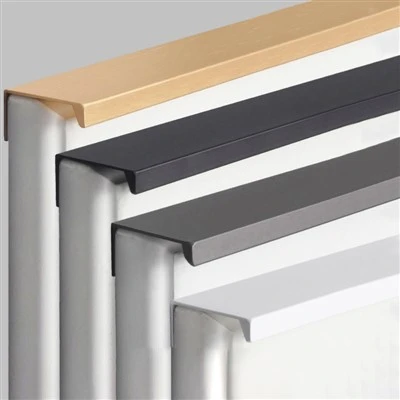
I’ve had customers come back to me yelling, “Your brackets rusted on me!” and half the time, it’s not that my product is garbage – it’s that they didn’t know a few simple tricks to keep rust away. Let’s cut the jargon, keep this real, and break down exactly what works, what’s a waste of time, and what you should avoid at all costs. No fancy chemistry degree required here, I promise.
First, let’s get the basics out of the way: why do brackets rust in the first place? Rust is just iron oxide, right? That happens when iron (or steel, which is mostly iron) comes into contact with two things: oxygen and moisture. If you leave a bracket out in the rain, or set it on damp concrete overnight, those two ingredients mix, and rust starts forming before you even blink. And the worst part? Once surface rust starts, it expands under the paint or coating, peeling it off and letting more moisture in – it’s a cycle that just keeps going. So the goal here is simple: stop that combination of oxygen and moisture from touching the metal. That’s it. No magic, no overcomplicating it.
Let’s start with the most important step – one that most people skip before they even buy a bracket. Wait for it: choose the right bracket for the job. I can’t tell you how many times a customer comes to me asking for a $2 steel bracket to hang a gutter in a coastal area, where salt air is constantly in the air. Salt is basically rust’s superpower – it speeds up the oxidation process like nothing else. If you’re working anywhere salty (beaches, coastal towns, even places that use road salt in the winter), plain old steel brackets are a terrible idea. Go for galvanized steel, or even better, stainless steel. Yeah, stainless is a little pricier upfront, but compare that to replacing a rusted gutter bracket every year? It’s a no-brainer. For indoor jobs, or dry outdoor spots like a covered patio, plain steel with a good coating works fine, but never cut corners on material for harsh environments. Trust me on this.
Now, if you already have brackets, or you’re working with plain steel ones that you got for a good price, the next step is prepping and coating them properly. This is where most guys go wrong – they grab a can of spray paint, hose down the bracket, and call it a day. Big mistake. You have to start with a clean, dry surface. If there’s even a speck of dirt, oil, or old rust on the metal, the paint won’t stick, and moisture will seep under it in no time. I always tell my customers: take a wire brush (or if you’re lazy like me, a sanding sponge) and scrub every inch of the bracket until it’s smooth to the touch. If there’s already some light surface rust, get rid of that too – don’t just paint over it. Then wipe it down with a rag dipped in mineral spirits to get rid of any grease or grime, and let it dry completely. I mean completely. Don’t rush this step – if you coat a damp bracket, you’re trapping moisture inside, which is way worse than no coating at all.
What kind of coating works best? I’ve tested a ton over the years, and the go-to for me is a galvanized primer plus an exterior latex or oil-based paint. Wait – galvanized is good, but bare galvanized can sometimes react with paint, making it peel. So slap on a zinc-rich primer first, wait for it to cure, then add your topcoat. For extreme conditions (like that coastal spot I mentioned), I use a rust-inhibiting epoxy coating. Yeah, epoxy is a little more work – you have to mix it and it takes longer to dry – but it forms a rock-hard barrier that nothing (not even salt spray) gets through. I once had a customer in Florida test my epoxy-coated brackets against a competitor’s regular powder-coated ones. Two years later, his brackets looked brand new, and the competitor’s? Half rusted. Worth the extra 30 minutes of work.
Wait, what about powder coating? A lot of guys swear by powder coating, and it does work great – it’s durable, looks good, and comes in all kinds of colors. But here’s the catch: powder coating only works if there are no chips or scratches. Even a tiny scratch in the coating is like a doorway for rust. If you’re going to powder coat, make sure you don’t drop the bracket and ding it, and if you do get a scratch, touch it up immediately with the same paint or a clear nail polish (yeah, I said nail polish – it works in a pinch). I also always tell my customers to avoid the cheap powder coating jobs. I’ve seen brackets powder coated at a discount shop where the coating was too thin, and it peeled off within a year. You get what you pay for here.
Now, what about storage? Most people don’t think about this, but how you store your brackets before you install them is a huge factor in rust. I’ve had guys bring me brackets that were sitting in a damp garage, piled on the floor with old lawn chairs and garden hoses, for three months – and those were already starting to rust before they even touched the job. If you’re not installing your brackets right away, store them off the ground on a wooden shelf or a pallet, not directly on concrete (concrete holds moisture like crazy). Keep them in a dry place, and if you’re storing them for more than a week, wrap them in a plastic sheet or a heavy-duty garbage bag to keep moisture out. Simple, but so effective.
Then there’s the installation part, which is where I see a lot of mistakes happen too. If you’re installing brackets in concrete or wood, make sure the surfaces are dry. Don’t hang a bracket on a damp deck joist – that moisture will transfer to the bracket and cause rust. Also, leave a little gap between the bracket and the surface it’s attached to. If you set the bracket flush against a wall or a beam, moisture can get trapped between the two, and you’ll get rust from the inside out. A 1/8-inch gap is all you need – just enough for air to circulate. And when you’re screwing or bolting the bracket in, use galvanized or stainless steel fasteners too. Don’t pair a steel bracket with a regular steel screw – they’ll cause a reaction called galvanic corrosion, which is like rust’s evil twin. It makes both the bracket and the fastener rust faster. I learned that the hard way early on – I had a customer who used my galvanized brackets with cheap regular screws, and within six months, the screws had rusted through, pulling the whole bracket loose. Never again.
Wait, what about after installation? Maintenance isn’t just for your car, guys. Once your brackets are up, do a quick check every six months. Wipe off any dirt or salt that builds up, and if you see a tiny spot of rust forming, don’t ignore it. Take a little sandpaper, buff that spot out, and touch it up with some primer and paint. It takes two minutes, and it stops the rust from spreading like wildfire. I had a guy call me a few months ago, panicking because his fence brackets were rusting. When I asked how long he’d owned them, he said five years, and he’d never checked them once. By the time he called, the rust was so bad he had to replace half the fence. A five-minute check every six months would have saved him hundreds of bucks.
Now, let’s talk about the stuff that’s total garbage and you should skip it. Those rust sprays you see at the hardware store that claim to “stop rust in its tracks”? Most of them are just temporary fixes. They might slow it down for a few months, but they don’t stop it long-term. I tested one last year – sprayed a rusted bracket, and three months later, the rust was coming through again. And don’t even get me started on leaving brackets outside uncovered while you work. I’ve seen guys set a whole set of brackets on the grass for a week while they finish building a deck, and by the end, they’re covered in brown gunk. Use a tarp, or at least flip them over every other day so both sides dry.
Another thing I get asked a lot: what about galvanization? Wait, hot-dip galvanizing is actually one of the best options for outdoor brackets. It’s when you dip the steel in molten zinc, which forms a thick, protective layer that lasts for decades. But here’s the thing – hot-dip galvanizing can leave a rough, gray finish, and if you want to paint over it, you have to wait for it to “weather” for a month or so, otherwise the paint will peel. A lot of guys don’t know that, and they ruin a good galvanized bracket by painting it too soon. So if you’re going the galvanized route, either leave it as-is (it looks industrial and works great) or wait the 30 days before painting.
Let me wrap this up with a quick recap, because I know I threw a lot at you. To keep your support brackets from rusting: pick the right material (galvanized or stainless for harsh environments), prep and coat them properly (clean, dry, use zinc primer and paint or epoxy), store them right (off the ground, dry place), install with galvanized/stainless fasteners and leave a small gap, and do quick maintenance checks every six months. That’s it. No fancy tricks, no expensive products, just common sense that works.
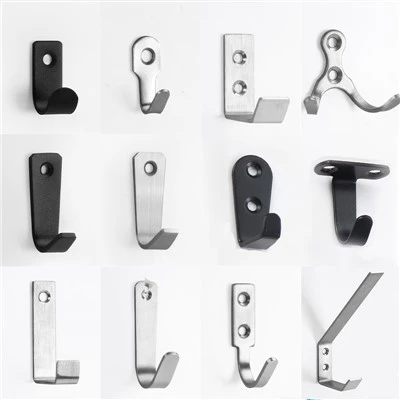
If you’re in the market for new brackets, or you have questions about which type is right for your job, don’t overthink it – just reach out. I’ve been in this game long enough to know what works for every situation, and I’d be happy to help you pick the right brackets for your project, no pressure. No sales pitch, just real advice from someone who’s seen all the rusty mistakes out there. Thanks for reading, and stay rust-free!
Clothes Hook References
ASM International. (2015). Corrosion Basics: An Introduction. Materials Park, OH: ASM International.
National Association of Home Builders. (2018). Exterior Metal Components: Corrosion Prevention and Maintenance. Washington, DC: NAHB Research Center.
International Code Council. (2021). 2021 International Residential Code: Fasteners and Connectors. Country Club Hills, IL: ICC.
Guangzhou Fengcheng Industrial Co., Ltd.
As one of the most professional support bracket manufacturers and suppliers in China, we’re featured by quality products and good price. Please rest assured to buy bulk support bracket for sale here and get quotation from our factory. We also accept customized orders.
Address: No. 135-136, Tianjian Square, Baiyun District, Guangzhou City, Guangdong Province
E-mail: fc223228@163.com
WebSite: https://www.foncher.com/
