Hey everyone, it’s Jake here—been in the PPR pipe fittings game for almost a decade, and I get asked this question nonstop: Are PPR pipe fittings actually durable? Like, I’ve heard all the takes online—“they crack in 5 years,” “they fall apart in extreme cold,” “total garbage compared to copper”—and honestly, I’m here to break this down straight, no fancy jargon, just real talk from someone who sells these things every single day. PPR pipe fittings

First off, let’s get one thing clear: I’m not here to shill my own stuff out the gate, but as a supplier who’s shipped fittings to plumbers, construction crews, and homeowners across the country, I’ve seen firsthand what works and what doesn’t. PPR stands for Polypropylene Random Copolymer, right? It’s not that flimsy cheap plastic you use for a disposable water bottle—this is a specific formula engineered for pressure plumbing, and the durability hinges on way more than just the material itself. Let’s start with the basics people usually skip.
A lot of folks mix up regular polypropylene with PPR, and that’s where the confusion starts. Regular PP can get brittle in cold, or warp under high heat, but PPR is different because of that “random copolymer” part. It’s made by linking propylene molecules in a random, not uniform, chain, which gives it way better impact resistance and temperature stability. From the get-go, that’s a leg up on old PVC, which cracks if you drop it (or if the ground shifts a little) and can’t handle water over 140°F without degrading. Copper is tough, yeah, but it corrodes over time in certain water types—especially acidic or high-chlorine water—and that’s a whole other headache no one wants.
Now, let’s talk real-world durability, not lab tests. I had a plumber hit me up last month with a question about a 12-year-old PPR system he installed in a remote cabin in northern Minnesota. He said it’d been through temps dipping to -20°F, snow piling on the roof, and the only issue was a tiny leak he fixed with a standard coupling—nothing major. Compare that to a copper job he did in the same area a few years back, where pinhole corrosion showed up in 7 years because the well water there was extra acidic. But wait, I don’t want to make it sound like PPR is invincible. I’ve seen bad installs kill even the best PPR parts. Like, a guy tried to use a heat tool too hot when soldering the fittings, and it melted the pipe walls so thin they collapsed under pressure. Or another contractor cut corners by using cheap, reprocessed PPR instead of virgin resin—suddenly the fittings were brittle, cracked within 2 years. That’s not the material’s fault, that’s bad manufacturing or installation.
Let’s get to the numbers, because plumbers and builders love those. PPR fittings are rated for a working pressure of 10 bars (about 145 PSI) at 20°C (68°F)—that’s standard room temp, which is what most household plumbing works at. Crank the heat up to 70°C (158°F), and they still hold 6 bars (around 87 PSI), which is more than enough for hot water heaters, radiators, or underfloor heating. I’ve also checked ISO standards for PPR, and the tensile strength—how much pull it can take before breaking—is way higher than PVC, and the impact resistance is through the roof. Drop a PPR fitting from 10 feet onto concrete? No crack. Do that same with PVC? It shatters. That matters a lot for rough-in work, when crews are tossing pipes around on job sites.
What about the big concerns: UV light, chemicals, long-term aging? PPR doesn’t play well with direct sunlight, right? If you leave a fitting sitting on a job site uncovered for months, the UV rays will break down the material, make it brittle. That’s why we always tell contractors to cover their materials when they’re not using them, and that’s not just us—every reputable PPR supplier says the same thing. But once it’s installed behind walls, under floors, or underground? No UV exposure, so it’s fine. Chemicals: PPR is resistant to most acids, bases, and even mild solvents that you might get in plumbing, like some drain cleaners. The only thing I’d watch out for is harsh industrial chemicals, but for residential and commercial plumbing? It’s basically immune to the stuff you deal with daily.
Long-term aging is another big one. Manufacturers test PPR for “hydrostatic design basis” (HDB), which is how long it’ll last under constant pressure and temperature. The standard HDB for PPR is 50 years at 20°C, and even at 70°C it’s still around 25 years. Wait, that’s lab numbers—what about real life? I’ve heard of PPR systems in Europe that are over 40 years old, still going strong. There’s a municipal water line in Germany that’s been using PPR since the 1970s, and inspections show no degradation. Compare that to galvanized steel pipes, which rust through in 20-30 years, or even copper, which as I mentioned earlier, corrodes. That’s a huge plus for homeowners who don’t want to re-plumb their house every 20 years.
But let’s not pretend there are no downsides. PPR’s main weak spot is the installation—you have to use a proper fusion tool to heat the pipe and fitting, then press them together for the right amount of time. If you rush it, or use a tool that’s not calibrated, the bond is weak, and you’ll get leaks. I’ve gotten so many calls from people who installed PPR wrong, and they blame the material. Last year, a homeowner told me his PPR pipes burst in the winter, but turns out his plumber heated the pipe too long, so the wall was only half as thick as it should be. That’s not PPR being bad, that’s bad installation. Another thing: PPR isn’t as rigid as copper, so if you’re running a long line without proper supports, it might sag a little, especially when hot. But that’s a quick fix with a few pipe clamps, nothing major.
As a supplier, I deal with this durability question every single day, and here’s the take I give everyone: PPR is durable if it’s made with virgin PPR resin, installed correctly, and used within its rated parameters. If you cut corners on material or installation, nothing—no copper, no PVC—will last. I’ve built my business on supplying fittings that meet ISO and ASTM standards, because I don’t want to be the guy whose customer calls me 3 years later saying my parts broke. We test every batch we get, check for wall thickness, make sure the fusion bands are strong, because that’s what customers deserve.
Wait, one more thing: I’ve seen a lot of comparisons where people say PPR can’t handle hot water, but that’s not true. My cousin has a PPR system in his home, and he runs a tankless water heater that puts out water at 120°F regularly—no issues in 5 years. The key is getting the right grade of PPR: there’s PPR-R for cold water, PPR-C for hot, and a universal grade that works for both. That’s another mistake people make—using the wrong grade for the job.
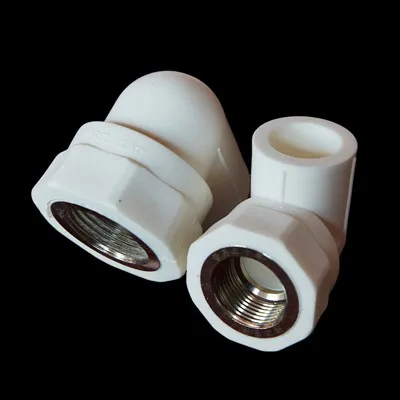
So, to wrap this up: Are PPR pipe fittings durable? Yeah, definitely. They hold up to pressure, temperature swings, impact, and corrosion way better than a lot of older plumbing materials, as long as you pick good quality parts and get them installed right. If you’re a plumber, contractor, or even a homeowner thinking about switching, don’t listen to the random Reddit rants or outdated horror stories—do your research, talk to someone who’s actually worked with PPR, and go with a supplier you trust.
PVC Pipe If you’re in the market for PPR fittings for your next project, reach out—we’ve got all grades, sizes, and parts to fit any plumbing job, and we’re here to answer any questions you have about installation, compatibility, or anything else. No pushy sales stuff, just real help from people who know this stuff inside and out.
References
- International Organization for Standardization (ISO 15874: Plastic piping systems for hot and cold water installations — Polypropylene (PPR))
- American Society for Testing and Materials (ASTM F2389: Standard Specification for Polypropylene (PP) Pressure Pipe and Fittings for Cold Water Distribution)
- World Health Organization (WHO) Guidelines for Drinking-water Quality, associated assessments of plastic material performance in potable water systems
- European Polyethylene and Thermoplastics Association (TEPPFA) Technical Report: Long-term performance of polypropylene pressure piping systems for plumbing applications
Hebei Ruijie Pipe Industry Co., Ltd.
Address: Industrial Park, Shaozhuang Township, Suning County, Cangzhou City, Hebei Province
E-mail: 1987870474@qq.com
WebSite: https://www.rjpprpipe.com/
