Hey there, if you’re reading this, you’re probably deep in the weeds of sourcing steel structural products and wondering the big question: do all these random, not-your-standard-beam-or-column steel bits even need galvanizing? Spoiler alert— I’ve been on the other side of that desk, slinging these “other” steel structural products for years, and let me tell you, the answer isn’t a simple yes or no. It’s way more nuanced than that, and today I’m breaking it down like we’re chatting over a coffee (no stuffy engineering jargon, promise). Other Steel Structural Products
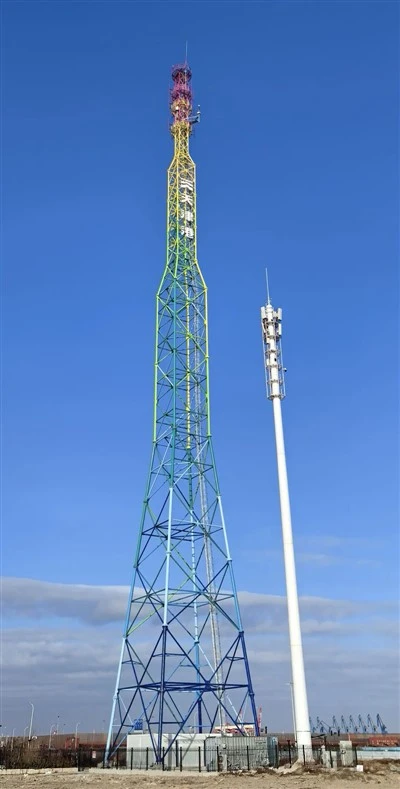
First off, let’s get on the same page about what I even mean by “other steel structural products.” You know the stuff— not the big I-beams for skyscrapers or H-columns for bridges. Think edge trim for metal building exteriors, custom steel brackets for attaching solar panels to residential roofs, pre-fabricated steel flashing for concrete foundation joints, utility crossarm attachments for power lines, handrail brackets for public park walkways, and those weird little steel gusset plates that hold trusses together when standard metal trusses aren’t cutting it for a custom shed. Yeah, that’s the “other” stuff— the parts that are actually the unsung heroes of any construction project, but everyone forgets to ask about their corrosion protection until it’s too late.
I get why people are confused about galvanizing, too. If you work with steel day in and day out, you’ve probably heard of hot-dip galvanizing as the go-to corrosion fix for structural steel. It’s that process where you dip steel into molten zinc, so a thick, tough zinc coating sticks to the surface, right? It creates a barrier between the steel and the elements, and even if the coating gets scratched in a spot, the zinc sacrifices itself a little to protect the exposed iron underneath. For big, high-load structural members like bridge beams, galvanizing is non-negotiable. But does that rule apply to every random bracket or trim piece? Let’s dive into when it’s a must, when it’s optional, and when it’s actually a waste of cash.
Let’s start with the times galvanizing is non-negotiable for our “other” steel structural products. First, any product that’s going to be exposed to the outdoors long-term, no exceptions. If your customer is using edge trim on a metal barn that’s in the humid South, or solar panel mounting brackets on a residential roof in Florida where salt air lingers near the coast, galvanizing isn’t a “nice-to-have” — it’s how you avoid a call back 2 years later saying the trim is rusting through and staining their siding. I learned this the hard way early on, when we sold a batch of uncoated steel utility crossarm attachments to a local power company that installed them in a marshy area. Six months later, they were calling us panicking because the steel was rusting so bad the crossarms were sagging. We ate the cost of replacement, figured out fast that any steel part exposed to moisture, humidity, or airborne salt needs that zinc layer.
Then there’s products that are in contact with other materials that cause corrosion. Wait, steel and aluminum don’t play nice together, right? If you’re making a steel handrail bracket that’s going to be bolted to an aluminum deck, or a flashing piece that’s sitting on top of concrete that has extra high alkali levels (super common in new construction concrete), galvanizing is key. That’s called galvanic corrosion, by the way— when two different metals touch in the presence of moisture, one eats the other. Zinc is more reactive than both steel and aluminum, so when it’s coated on your steel, it prevents that galvanic reaction from taking hold. I’ve had clients skip galvanizing on a bracket meant for a concrete patio, and within a year, the bracket started rusting and leaving orange stains on the patio pavers. That’s a headache no one wants to deal with, so galvanizing here is a no-brainer.
Now, the times when galvanizing is actually optional, and we’re not just trying to upsell you. Wait, upsell? C’mon, I’m not here to waste your money. If a product is going to be inside a climate-controlled space, that’s a huge call. Let’s say it’s a custom steel bracket holding shelves in a warehouse that’s temperature-regulated, no leaks, no high humidity. Or a steel gusset plate used inside a pre-fab office building, where it’s never going to see rain or harsh conditions. Here, you can get away with other cheaper corrosion protection, like powder coating. Powder coating is durable, comes in fun colors if your customer cares about aesthetics, and it’s way less expensive than galvanizing. I’ve had a client who needed custom steel brackets for indoor retail shelving, and galvanizing would’ve added 30% to their cost. We recommended powder coating instead, they saved a ton of money, and there hasn’t been a single rust issue in the three years they’ve had them installed.
Another time galvanizing isn’t necessary is for products that are going to be painted or coated immediately after installation, and the environment they’re in isn’t harsh. Let’s say it’s a steel trim piece that’s going to be installed on a house, and the siding is going to be painted right away. Or a handrail bracket that’s going to be painted to match the handrail. As long as that top layer of paint adheres properly (galvanizing can sometimes mess with paint adhesion if you don’t prep it right, fun fact), then you don’t need the zinc layer. I’ve even had a few clients that prefer to do their own painting, so they buy uncoated steel structural products, paint them on-site, and that works for their needs. Just make sure they’re not using the product in a spot that’s going to get a lot of rain or moisture, where the paint could chip and expose the steel.
Wait, but hold on— there’s a third category, too, where galvanizing is technically optional but actually smart, even if the environment seems mild. Let’s take a custom shed kit we worked with a few years back. The shed was going to be in a backyard, not right on the coast, not in a super humid area. The client thought they could skip galvanizing and just paint all the steel parts. But a year later, they called us saying the gusset plates holding the shed trusses together had small rust spots, and they were worried the trusses would start to warp. They ended up repainting, but if we’d galvanized the gusset plates upfront, they wouldn’t have had that problem. Why? Because even “mild” environments— a backyard, a residential rooftop, a sidewalk handrail— they get rain, snow, condensation, even little splashes from the sprinkler. That’s enough moisture to cause rust over 5, 10, 15 years, which is the lifespan most customers expect from their steel products. Galvanizing adds a little upfront cost, but it extends the product’s lifespan by decades. That’s a big selling point, and something I always bring up when a client is on the fence.
Now, let’s talk about the things that a lot of people get wrong about galvanizing for “other” steel structural products. First, it’s not just for big steel members. I’ve seen guys skip galvanizing on tiny, seemingly insignificant parts like hardware brackets for outdoor gates, and those rust through in 2-3 years, which is frustrating. Second, galvanizing isn’t just one size fits all. There’s different thicknesses of zinc coating— standard galvanizing is good for most outdoor use, but if a product is going to be in a really harsh environment, like a coastal area or a chemical plant, you can get a thicker galvanized coating that lasts even longer. I always ask my clients about their end-use environment first, that’s how we figure out what’s right for them.
Another myth I hear all the time: galvanizing is too expensive for small parts. Yeah, if you’re only making 10 brackets, the per-part cost of galvanizing is a little higher, but if you’re ordering a bulk run, that extra cost is negligible. And when you compare it to the cost of replacing a rusted part down the line, it’s way worth it. I had a client a few months ago that ordered 500 uncoated steel flashing pieces for a roofing project, and within 18 months, they had to replace 200 of them because of rust. The cost of replacing those was more than the cost of galvanizing all 500 pieces upfront. That’s a mistake no one wants to make.
So, putting this all together: when do your “other” steel structural products need galvanizing? If they’re exposed to outdoor elements (moisture, humidity, salt air, snow), if they’re in contact with other metals that cause galvanic corrosion, if they’re not going to be painted or otherwise coated right away, or if their end-use environment is harsh, then yes, galvanizing is probably the right call. If they’re going to be in a climate-controlled indoor space, if they’re going to be painted immediately post-install, and the environment is mild, then you can skip it and go with a cheaper alternative like powder coating. And if you’re on the fence, ask yourself: how long does my customer expect this product to last? If it’s 10+ years, galvanizing is almost always a safe bet.
At the end of the day, I’m in this business because I want my clients to get steel products that work for their needs, not just what’s cheapest for me. I’ve seen the good, the bad, and the ugly when it comes to corrosion on these “other” steel parts, and I can tell you that the number one mistake people make is either overgalvanizing when they don’t need it (wasting money) or undergalvanizing when they do need it (costing them repairs and headaches).
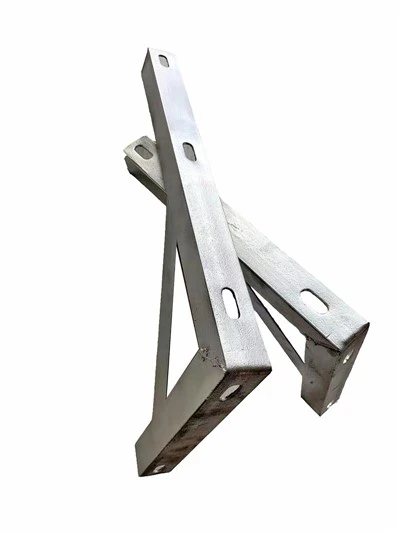
If you’re currently sourcing custom steel structural products— edge trim, brackets, flashing, truss gussets, whatever— and you’re not sure if galvanizing is the right choice for your project, hit me up. We can talk through your specific end-use, location, lifespan expectations, and figure out exactly what product works for you. No pressure, no hard sell, just honest advice from someone who’s been in this game for years and cares about getting it right.
Power Transmission Tower REFERENCES
- American Galvanizers Association. "Corrosion Protection for Steel Structural Products: A Guide to Hot-Dip Galvanizing."
- Steel Construction Institute. "Galvanic Corrosion: Causes and Mitigation in Steel Structural Applications."
- National Association of Home Builders. "Corrosion Resistance for Residential Steel Building Components."
Hunan Zhubang Hongsheng Construction Technology Co., Ltd.
As one of the most professional steel structural products manufacturers and suppliers in China, we’re featured by quality products and good price. Welcome to buy high-grade steel structural products made in China here and get quotation from our factory. Customized orders are welcome.
Address: Lutang Village, Yong’an Town, Liuyang City, Changsha City, Hunan Province, Hunan Zhubang Hongsheng Construction Technology Co., Ltd.
E-mail: 19898838989@163.com
WebSite: https://www.chinaenerto.com/
