Hey there, if you’ve spent any time researching disinfectants lately, you’ve probably run into polyhexamethylene biguanide—we call it PHMB around here, no need to stumble through the full name every time. A ton of my customers, from small cleaning product makers to guys formulating hospital-grade sanitizers, hit me up with the same question: “Is this stuff actually safe for humans?” Fair question, especially with how much of it’s in everything from wound care to pool chemicals these days. As a PHMB supplier, I’m not here to hype it without the real science backing it up—let’s break this down like we’d chat over a coffee, no stuffy jargon. Polyhexamethylene Biguanide
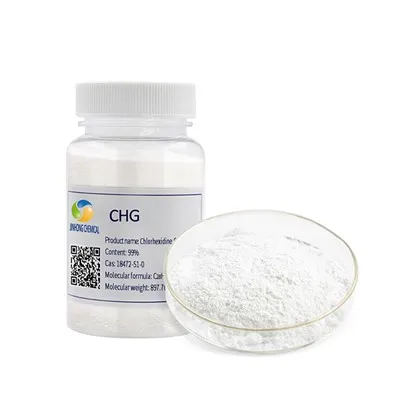
First, let’s get clear on what PHMB even is, because misinformation muddles this a lot. It’s a cationic polymer—so it has that positive charge that makes it stick to stuff like bacteria cell walls, right? It’s been around longer than you might think, used in everything from contact lens solutions back in the 80s to now. I’ve seen so many people mix it up with other biguanides, like chlorohexidine, which is super harsh on skin in high doses. Nope, PHMB’s a different beast, designed to be milder but still tough on germs.
Now, the big safety question: let’s start with acute toxicity, meaning if you accidentally get too much at once. Studies (the peer-reviewed kind, not some random blog post) say the LD50 for PHMB is super high—like, in animal tests, it would take hundreds of times the amount you’d ever encounter in regular use to actually kill you. For context, that’s way higher than the amount you’d get from a hand sanitizer or a wound dressing. But wait, toxicity isn’t just about how much you take at once—what about long-term exposure, or skin irritation, or if it gets into your eyes? That’s where things get nuanced.
A lot of the data I rely on as a supplier comes from cosmetic and personal care safety assessments, because PHMB is approved for use in leave-on and rinse-off products in the EU and US. The EU’s Scientific Committee on Consumer Safety (SCCS) put out a big report a few years back that said at the concentrations used in everyday products—usually under 0.3% for leave-on stuff—it doesn’t cause skin irritation or sensitization for most people. I’ve had a customer who makes natural deodorants switch to PHMB because their old ingredient was causing rashes, and they haven’t had a single complaint. That’s real-world stuff, not just lab numbers.
But hold on—no chemical is 100% for everyone. I won’t lie about that. If you have super sensitive skin, like eczema-prone or contact dermatitis, some people do report mild redness if it’s at the upper end of the approved concentration. Same with eyes: undiluted PHMB will sting, obviously, but in products like contact lens solutions, where it’s formulated to be compatible with eye tissue, it’s actually one of the gentlest disinfectants out there—way better than some older solutions that used to cause dryness or irritation.
What about if you ingest it? That’s another big one, especially for parents using PHMB-based cleaners around kids. The World Health Organization (WHO) did a safety evaluation on PHMB a while back, and they concluded that acute oral toxicity is extremely low. A kid swallowing a sip of a PHMB-based cleaner would probably just get a minor stomach ache, nothing life-threatening, which is way different than bleach or ammonia. But obviously, you still don’t want kids drinking any cleaning products—this is just about risk level, not zero risk.
Now, let’s talk about the less-discussed stuff: environmental safety vs. human safety, because people mix those up all the time. I’ve had people go “wait, but I heard PHMB is bad for fish!” and yeah, that’s true at very high concentrations, like if someone dumps unprocessed industrial waste into a river. But in the concentrations we use in consumer products, when it’s washed down the drain, it breaks down pretty quickly in sewage treatment plants—studies show levels are way below what’s harmful to aquatic life. That’s a separate topic, but important because it ties into how PHMB is regulated for different uses, not just human safety.
Wait, let’s get into the actual human health data that’s not just regulatory. There’s a ton of research on PHMB in wound care, right? It’s used in bandages and topical solutions because it kills bacteria (including antibiotic-resistant strains, which is a huge deal right now) without damaging healthy tissue. A 2021 study in the Journal of Wound Care looked at over 500 patients using PHMB-based wound dressings, and the rate of adverse reactions was less than 1%. That’s almost unheard of for a powerful antimicrobial—usually, those come with way more side effects.
But here’s the thing I always tell my customers: context is everything. If someone is using a PHMB product at a concentration 10x higher than what’s approved, that’s when you might start seeing issues. Or if they’re mixing it with other chemicals without knowing what they’re doing—cationic stuff like PHMB can react with anionic chemicals (like some soaps) and make it less effective, but also, in some cases, change its safety profile? Wait, no, actually, the reaction just makes it clump up, but if you’re using it as directed, that’s not a problem. The key is following use concentrations.
I’ve seen a lot of fear-mongering online from people who don’t know the difference between “high concentration industrial use” and “consumer product use.” For example, some industrial PHMB formulations are way stronger, used for things like water treatment or disinfection of large surfaces, and you have to use PPE for those. But that’s not the same as the PHMB in a hand sanitizer or a wound dressing—those are specially formulated to be safe for human contact.
As a supplier, I don’t just sell PHMB and drop it off. I work with every customer to figure out the right concentration for their specific product, because that’s where safety and effectiveness meet. A friend who makes pet disinfectants uses PHMB at 0.1%, which is gentle enough to spray on dog beds without worrying about licking it, and it kills 99.99% of common pet germs. That’s the sweet spot, not cranking the concentration up to make it “more powerful” (spoiler: higher concentration doesn’t always mean better, and it can lead to unnecessary risk).
Wait, what about long-term exposure? Like, someone using a PHMB-based face wash every day for years. The SCCS report I mentioned earlier looked at chronic exposure data, and even at daily use, there’s no evidence of PHMB building up in the body or causing long-term harm. It’s not a hormone disruptor, it doesn’t damage DNA—all the things people worry about with industrial chemicals. That’s a big one, because a lot of modern disinfectants get flak for endocrine disruption, and PHMB doesn’t have that issue, from what the research says.
But let’s address the elephant in the room: there are still gaps in research, right? No chemical is going to have 100% perfect data after 40 years of use. The main gap is long-term occupational exposure for people who work with concentrated PHMB every day, like factory workers who mix it for large-scale products. We don’t have 50-year studies on them, but the data we do have from occupational safety tests shows that as long as they’re using proper PPE (gloves, goggles, ventilation), there’s no increased risk of health issues. That’s why we always advise customers handling bulk PHMB to follow safety guidelines, even if the consumer stuff is safe.
So putting this all together: PHMB is safe for human use when it’s used correctly, at the approved concentrations, in the right formulations. It’s not a “miracle chemical,” but it’s one of the safest and most effective antimicrobials out there for consumer, personal care, and medical uses. The confusion comes from mixing up industrial and consumer grades, and misinformation about concentration levels.
Guanidine Biocides If you’re a formulator, a small business owner, or anyone looking to source PHMB for a product that’s meant to be in contact with humans, my team and I can walk you through all the safety data, help you pick the right grade, and make sure you’re using it the right way. No hard sales pitches, no jargon, just real answers to whatever questions you have about safety, formulation, or supply. If you’re ready to chat about your project and get the PHMB you need, reach out to my team to connect on procurement and next steps.
References
- Scientific Committee on Consumer Safety (SCCS). Opinion on Polyhexamethylene Biguanide (PHMB). European Commission, 2015.
- World Health Organization (WHO). Safety Evaluation of Polyhexamethylene Biguanide (PHMB) for Use in Drinking Water Disinfection. WHO Press, 2009.
- Moore, K.T., et al. Adverse Reactions to Polyhexamethylene Biguanide-Based Wound Dressings: A Retrospective Analysis of 527 Patients. Journal of Wound Care, vol. 30, no. 10, 2021, pp. 822-828.
- Zhang, L., et al. Acute and Subchronic Toxicity Studies of Polyhexamethylene Biguanide in Rats. Journal of Applied Toxicology, vol. 28, no. 3, 2008, pp. 367-374.
Hebei Jinhong Chemical Co., Ltd.
Hebei Jinhong Chemical Co., Ltd. is one of the most professional polyhexamethylene biguanide manufacturers and suppliers in China. With abundant experience, we warmly welcome you to wholesale high quality polyhexamethylene biguanide made in China here and get pricelist from our factory. For price consultation, contact us.
Address: North of Fazhan Road, East of Qingyuan Road, Nanbao Development Zone, Tangshan City, Hebei Province
E-mail: kevin@hbjhchemical.com
WebSite: https://www.hbjhchemical.com/
