Hey there! I’m a supplier of six – axis collaborative robots, and today I wanna have a chat about whether these cool machines can work with humans safely. Six-Axis Collaborative Robot

First off, let’s talk about what a six – axis collaborative robot is. It’s a robot with six degrees of freedom, which means it can move in all sorts of directions, just like a human arm. These robots are designed to work alongside humans, unlike traditional industrial robots that often need to be caged off to keep people safe.
So, can they really work safely with humans? The short answer is yes, and here’s why.
One of the key features of six – axis collaborative robots is their built – in safety systems. These robots are equipped with sensors that can detect when a human is nearby. If the robot senses an unexpected contact or an object getting too close, it will automatically stop or slow down its movement. For example, if a worker accidentally walks into the robot’s path, the sensors will pick up the change in the environment, and the robot will halt its operation right away. This is a huge step forward in ensuring the safety of human workers.
Another factor is the way these robots are programmed. They can be set up to work within specific boundaries and perform tasks in a way that minimizes the risk of collisions. Programmers can define the exact path the robot should take, and the robot will stick to it. This precision helps to avoid any unwanted interactions between the robot and human workers.
Also, six – axis collaborative robots are often designed to have a relatively low force. They’re not as powerful as some of the big, heavy – duty industrial robots. This means that even if there is an accidental contact, the force exerted by the robot is less likely to cause serious harm to a human. It’s like having a gentle giant working beside you.
Let’s look at some real – world examples. In many manufacturing plants, these robots are used for tasks like assembly, pick – and – place operations, and quality control. Workers can work side by side with the robots, passing parts back and forth. The robots can handle repetitive and precise tasks, while humans can use their judgment and dexterity for more complex aspects of the job.
However, it’s not all rosy. There are still some challenges to consider. For instance, while the safety sensors are pretty good, they’re not perfect. There could be situations where the sensors fail to detect an object or a person, especially if the object is moving very fast or if there are some interference factors in the environment. Also, if the robot is not programmed correctly, it could still pose a risk.
But overall, the benefits of having six – axis collaborative robots working with humans far outweigh the risks. They can increase productivity, improve the quality of work, and make the workplace a more efficient and enjoyable place to be.
Now, let’s talk about how we, as a supplier, ensure the safety of these robots. We conduct rigorous testing on all our robots before they leave the factory. We test the sensors, the programming, and the overall performance of the robot. We also provide training to our customers on how to operate the robots safely. This includes teaching them about the safety features, how to program the robot, and what to do in case of an emergency.
We also keep up with the latest technological advancements in the field. We’re constantly looking for ways to improve the safety features of our robots. For example, we’re exploring the use of more advanced sensors that can detect a wider range of objects and movements. We’re also working on developing better programming algorithms that can adapt to different working environments.
If you’re in the market for a six – axis collaborative robot, you might be wondering what to look for. First, make sure the robot has reliable safety sensors. Check the specifications to see what kind of objects the sensors can detect and at what distance. Also, look for a robot that has a good reputation for safety. Read reviews from other customers to see how they’ve experienced the safety of the robot in their own workplaces.
Another important thing is the ease of programming. A robot that’s easy to program means that you can quickly set it up to perform the tasks you need. This also reduces the chances of programming errors, which could lead to safety issues.
In conclusion, six – axis collaborative robots can work safely with humans. With their advanced safety features, precise programming, and relatively low force, they offer a great solution for many industries. If you’re interested in improving the efficiency and safety of your workplace, a six – axis collaborative robot could be the answer.
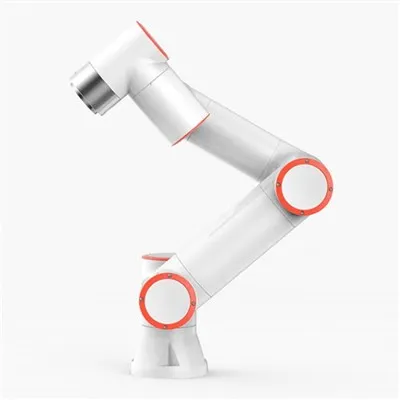
If you’re thinking about purchasing a six – axis collaborative robot, I’d love to have a chat with you. We can discuss your specific needs, the features of our robots, and how they can fit into your operations. Just reach out, and we’ll start the conversation.
Six-Axis Collaborative Robot References:
- Industry reports on collaborative robot safety
- Research papers on the development of six – axis collaborative robots
- Case studies of manufacturing plants using six – axis collaborative robots
Xinweilai Intelligent Technology (Shandong) Co., Ltd.
As one of the most professional six-axis collaborative robot manufacturers and suppliers in China, we’re featured by quality products and good service. Please rest assured to wholesale bulk customized six-axis collaborative robot from our factory. For pricelist and quotation, contact us now.
Address: Jinghua Road, Economic and Technical Development Zone, Dezhou City, Shandong Province
E-mail: liujiqing@xinweilaiznkj.com
WebSite: https://www.xinweilaiznkj.com/
