Hey there! As a supplier in the irrigation and suction game, I get asked a lot about what’s the big deal with these tools in wound care. Well, let me break it down for you. Irrigation and Suction
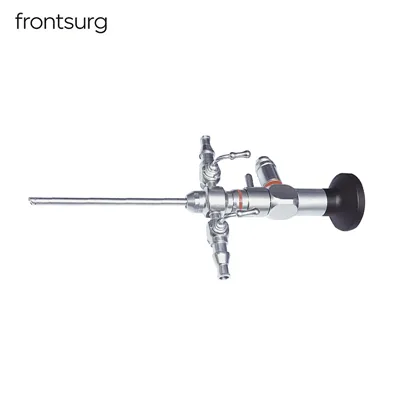
First off, let’s talk about why irrigation in wound care is so crucial. When a person gets a wound, it’s not just the cut or the damage to the skin. There’s a whole bunch of other stuff going on. Debris, like dirt, sand, or tiny pieces of whatever caused the wound in the first place, can get stuck inside. And bacteria? Oh boy, they love to camp out in open wounds.
Irrigation is like a mini car wash for the wound. It uses a gentle stream of a special solution – usually something like saline, which is basically just salt water that’s similar to our body’s fluids. When we spray this solution into the wound, it helps to wash away all that unwanted debris. Think about it like cleaning a dirty plate. You wouldn’t just leave the food scraps on there, right? You’d run it under the tap and scrub it clean. Same idea with a wound.
By getting rid of the debris, we reduce the risk of infection. Bacteria find it easier to grow and cause trouble when there’s a bunch of junk in the wound. So, when we irrigate, we’re creating a cleaner environment for the wound to heal. It’s like tidying up a messy room so you can relax and focus properly.
Another great thing about irrigation is that it can also help to loosen any dead tissue. As the body tries to heal the wound, some cells might die off. This dead tissue can slow down the healing process if it’s just sitting there. The irrigation solution can break it down and wash it away, allowing new, healthy tissue to grow in its place.
Now, onto suction. Suction is like the vacuum cleaner for wound care. After we’ve irrigated the wound and washed away the debris, there’s still going to be some fluid left behind. This fluid can be a mix of the irrigation solution, blood, and other bodily fluids that are part of the body’s natural response to injury.
If this fluid just sits in the wound, it can cause problems. It might make the area around the wound wet, which can lead to skin breakdown. And it can also be a breeding ground for more bacteria. Suction helps to remove this excess fluid from the wound. It creates a negative pressure that pulls the fluid out and into a collection container.
This not only keeps the wound clean and dry but also promotes better blood flow to the area. When there’s less fluid in the way, the blood can more easily reach the cells in the wound that need oxygen and nutrients to heal. It’s like clearing a traffic jam so that the cars (in this case, the blood) can get where they need to go.
In some cases, suction can also help to close the wound. The negative pressure created by the suction device can pull the edges of the wound closer together. This is especially useful for larger wounds or wounds that are slow to heal. It’s like zipping up a jacket – it brings the two sides together so they can start to heal as one.
Let me give you a real – life example. I was talking to a nurse at a local hospital the other day. She was telling me about a patient who had a deep, dirty wound on their leg after a motorcycle accident. The wound was full of dirt and gravel, and there was a lot of swelling and fluid buildup.
They started by irrigating the wound with a saline solution. It took a few rounds, but they were able to get most of the debris out. Then, they applied a suction device. Over the next few days, the excess fluid was gradually removed, and the swelling went down. The patient started to feel better, and the wound began to show signs of healing. The nurse was really impressed with how well the combination of irrigation and suction worked.
Now, I know what you might be thinking. Is all this irrigation and suction stuff really necessary? Can’t the body just heal on its own? Well, the body is an amazing thing, and it can definitely heal itself to a certain extent. But in many cases, especially with more serious wounds, a little help goes a long way.
Irrigation and suction are like the sidekicks to the body’s natural healing process. They help to create the best possible conditions for the body to do its thing. They speed up the healing time, reduce the risk of complications, and ultimately, make the patient more comfortable.
If you’re in the medical field – whether you’re a doctor, a nurse, a wound care specialist, or part of a hospital procurement team – you know how important it is to have reliable irrigation and suction products. That’s where we come in.
We’re not just another supplier. We’re committed to providing high – quality irrigation and suction equipment. Our products are designed with the latest technology to make sure they work effectively and are easy to use. We’ve got a range of options, from simple handheld irrigation devices to more advanced suction systems that can be customized for different types of wounds.
And we don’t just sell the products and disappear. We offer great customer support. If you have any questions about how to use our products, or if you need help troubleshooting, our team is here to assist you. We also keep up with the latest research and developments in wound care, so we can provide you with the most up – to – date information.
So, if you’re looking for a trusted partner in your wound care needs, we’re here for you. Whether it’s for a small clinic or a large hospital, we’ve got the solutions you need. Reach out to us to start a conversation about your procurement needs. We’re excited to work with you and help you provide the best possible care for your patients.
Clip Applier References
- "Wound Care Essentials: Practice Principles" by Mary Lou Sole, et al.
- Journal of Wound Care articles on irrigation and suction techniques in wound management.
- Clinical guidelines from professional wound care associations.
Frontmed (Hangzhou) Trading Co., Ltd.
Frontmed (Hangzhou) Trading Co., Ltd. is one of the most experienced irrigation and suction equipment manufacturers and suppliers in China, also supports custom service. Please rest assured to wholesale high quality irrigation and suction equipment made in China here from our factory. Contact us for more details.
Address: Room 406, Building 6, No.1688 Chunjiang East Rd, Tonglu, 311500, Hangzhou
E-mail: alex@frontsurg.com
WebSite: https://www.frontsurg.com/
