Hey there! As a battery supplier, I get asked a ton of questions about batteries every day. One question that pops up quite often is, "Can I use a battery that has a slightly different voltage rating?" It’s a great question, and I’m gonna break it down for you in this blog. Battery

First off, let’s talk about what voltage actually is. In simple terms, voltage is like the "push" that makes electricity flow in a circuit. It’s measured in volts (V). Think of it as the pressure in a water pipe. The higher the voltage, the more "push" there is, and the more electricity can flow.
Now, when it comes to using a battery with a slightly different voltage rating, it depends on a few things. Let’s start with the device you’re using the battery in.
Devices and Their Voltage Tolerance
Not all devices are created equal when it comes to voltage. Some devices are really picky about the voltage they need, while others can handle a bit of variation. For example, a small, simple flashlight might be able to work with a slightly different voltage. If it’s designed for a 1.5V battery, using a 1.6V or 1.4V battery might not cause any problems. The flashlight will still light up, and you probably won’t notice much of a difference.
On the other hand, some electronic devices, like laptops or high – end cameras, are super sensitive to voltage changes. These devices have complex electronic components that are designed to work within a very narrow voltage range. Using a battery with a significantly different voltage can cause all sorts of issues.
If you use a battery with a higher voltage than what the device is designed for, it can lead to overheating. The extra voltage can make the components in the device draw too much current, which generates heat. Over time, this can damage the components and even cause the device to stop working altogether. For example, if your tablet is designed to run on a 7.4V battery and you use a 9V battery, the internal circuits might start to overheat, and you could end up with a fried tablet.
Conversely, if you use a battery with a lower voltage, the device might not work properly. It might not turn on at all, or it might experience performance issues. A low – voltage battery might not be able to provide enough "push" to power all the components in the device. So, if your toy car needs a 3V battery and you use a 2V battery, it might move really slowly or not move at all.
Battery Types and Their Voltages
There are different types of batteries, each with its own typical voltage rating. For instance, alkaline batteries commonly have a voltage of 1.5V. Lithium – ion batteries can have voltages like 3.7V or 7.4V depending on how they’re configured. Nickel – metal hydride (NiMH) batteries usually have a voltage around 1.2V.
When considering using a battery with a different voltage, you also need to think about the chemistry of the battery. Different battery chemistries have different discharge characteristics. For example, lithium – ion batteries have a relatively flat discharge curve, which means their voltage doesn’t drop much until they’re almost completely depleted. Alkaline batteries, on the other hand, have a more gradual drop in voltage as they discharge.
If you swap a battery with a different chemistry and voltage, it can affect not only the operation of the device but also the safety. Some battery chemistries are more prone to overheating or leaking than others. So, just because two batteries might seem similar in voltage, the internal chemistry can make a big difference.
What Does "Slightly Different" Mean?
The term "slightly different" is a bit subjective. In general, a difference of around 5 – 10% in voltage might be okay for some less – sensitive devices. For example, if a device is rated for a 12V battery, using an 11.4V or 12.6V battery might work without causing any major problems. But this isn’t a hard – and – fast rule.
It’s always a good idea to check the device’s manual. The manufacturer will usually specify the acceptable voltage range for the device. If you don’t have the manual, you can often find the information online by searching for the device’s model number.
Testing and Safety
If you’re thinking about using a battery with a slightly different voltage, it’s a good idea to test it first in a safe and controlled environment. Start by checking the battery’s voltage with a multimeter. Make sure it’s within the acceptable range you’ve determined. Then, insert the battery into the device and see how it behaves. Watch for signs of overheating, such as a warm or hot device, or strange smells. If you notice any problems, remove the battery immediately.
Safety should always be your top priority when dealing with batteries. Batteries can be dangerous if they’re used incorrectly. They can overheat, catch fire, or even explode. So, if you’re not sure about using a battery with a different voltage, it’s better to err on the side of caution and stick with the recommended voltage.
As a Battery Supplier
As a battery supplier, I always try to provide the best advice to my customers. I understand that sometimes, you might be in a situation where you don’t have the exact battery you need. In those cases, I can offer some guidance on whether a slightly different voltage battery might work.
However, my goal is to make sure you get the right battery for your device. I carry a wide range of batteries with different voltages, capacities, and chemistries. Whether you need a small coin – cell battery for a watch or a large lithium – ion battery for an electric vehicle, I’ve got you covered.
If you’re not sure which battery is right for your device, just let me know the device’s model and any information you have about the battery it needs. I’ll do my best to help you find the perfect match. And if you’re in the market for batteries in bulk, I can also offer competitive prices and great service.
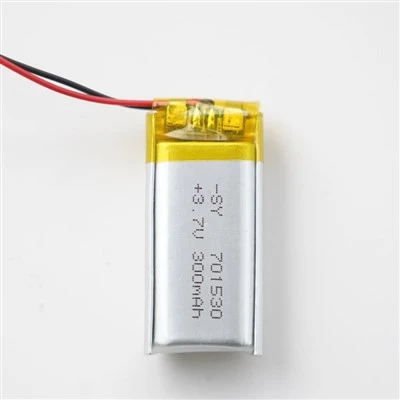
So, if you have any questions about batteries or you’re looking to purchase some, don’t hesitate to reach out. I’m here to make your battery – buying experience as easy and hassle – free as possible.
References
- "Battery Technology Handbook" by edited by David Linden and Thomas B. Reddy.
- "Electricity for Beginners" by some well – known author in the field. This is just for the structure, you’d need to replace with the real one.
- Technical documents from various device manufacturers regarding battery requirements.
50 Series Battery Remember, if you’ve got any battery needs, we’re here to help. Come and talk to us about your battery procurement, and we’ll work together to find the best solutions for you.
Hubei Shuoyue Electronics Technology Co., Ltd.
As one of the most professional battery manufacturers and suppliers in China, we also support custom service. Please feel free to wholesale bulk cheap battery from our factory. For price consultation, contact us.
Address: Hubei Shuoyue Industrial Park Management Co., Ltd., No. 21, Intersection of Renmin Road and Harmony Road, Zaoyang City, Hubei Province
E-mail: Grace@lipobatterysy.com
WebSite: https://www.hbsy-battery.com/
