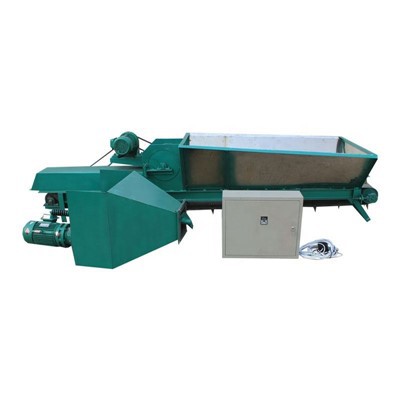
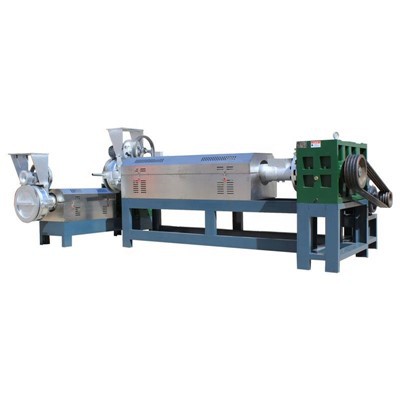
Yo, folks! I’m a supplier of plastic pelletizing equipment. One of the most common headaches folks face when using this equipment is getting that uniform mix. It’s a crucial aspect because if your plastic pellets aren’t mixed evenly, you’re gonna end up with products of inconsistent quality. So, in this blog, I’m gonna share some tips on how to ensure uniform mixing in plastic pelletizing equipment. Plastic Pelletizing Equipment
Understanding the Basics of Mixing
First things first, let’s talk about why we need uniform mixing in the first place. When you’re making plastic pellets, you often mix different types of polymers, additives like colorants, UV stabilizers, and antioxidants. These additives play a big role in determining the final properties of the plastic products. If they’re not mixed well, some parts of the pellets might have too much of an additive, while others might have too little. This can lead to problems like color variations, weak spots in the final product, or poor resistance to environmental factors.
There are two main types of mixing: distributive and dispersive. Distributive mixing involves spreading the different components throughout the mixture evenly. It’s like stirring a bowl of cereal and milk to make sure every spoonful has a bit of both. Dispersive mixing, on the other hand, is about breaking down agglomerates of particles and distributing them uniformly. It’s crucial when you’re dealing with additives that come in clumps.
Factors Affecting Mixing in Plastic Pelletizing Equipment
Now, let’s look at the factors that can affect how well your plastic pelletizing equipment mixes the materials.
Equipment Design
The design of the equipment is a major factor. For example, the screw design in an extruder (a common type of plastic pelletizing equipment) can have a big impact on mixing. A well – designed screw will have different sections for melting, mixing, and pumping the plastic. The length and the pitch of the screw flights also matter. Longer screws generally provide more mixing time, but you also need to balance that with the risk of overheating the plastic.
The shape and size of the mixing chamber also play a role. A larger chamber might allow for more thorough mixing, but it can also increase the residence time of the material, which could lead to degradation. The presence of mixing elements like kneading blocks, pins, or static mixers can significantly improve the mixing efficiency. These elements disrupt the flow of the plastic, forcing the different components to mix more thoroughly.
Material Properties
The properties of the materials you’re mixing are just as important as the equipment design. The viscosity of the polymers is a key factor. If you’re mixing polymers with very different viscosities, it can be challenging to get a uniform mix. High – viscosity polymers tend to flow more slowly and can form lumps if not mixed properly.
The particle size of the additives also matters. Smaller particles are generally easier to disperse, but they can also be more prone to agglomeration. You need to choose additives with the right particle size and take steps to prevent them from clumping together before they enter the mixing equipment.
Operating Conditions
The operating conditions of the equipment, such as temperature, speed, and pressure, can have a significant impact on mixing. Temperature affects the viscosity of the plastic. If the temperature is too low, the plastic might not melt properly, and the additives won’t disperse. On the other hand, if the temperature is too high, the plastic can degrade, and the additives might lose their effectiveness.
The speed of the screw or the mixing blades also matters. Higher speeds can increase the shear forces, which can improve dispersive mixing. However, too high a speed can also cause overheating and mechanical damage to the equipment.
Pressure can also influence mixing. Higher pressures can help to force the different components together, improving distributive mixing. But you need to make sure that the pressure is within the safe operating limits of the equipment.
Tips for Ensuring Uniform Mixing
Pre – Mixing the Materials
One of the best ways to ensure uniform mixing is to pre – mix the materials before they enter the pelletizing equipment. You can use a simple tumbler mixer or a high – speed mixer to blend the polymers and additives together. This helps to break down any large agglomerates and distribute the components more evenly.
When pre – mixing, make sure to follow the recommended mixing times and speeds. Over – mixing can also be a problem, as it can cause the additives to degrade or the polymers to break down.
Optimizing the Equipment Settings
As I mentioned earlier, the temperature, speed, and pressure settings of the equipment are crucial for uniform mixing. You need to find the right balance for your specific materials. Start by referring to the manufacturer’s recommendations for your equipment and the materials you’re using.
Conduct some trials to see how different settings affect the mixing quality. Run small batches of production and analyze the resulting pellets. Look for signs of uneven mixing, such as color variations or differences in the physical properties of the pellets. Based on your findings, adjust the settings accordingly.
Using the Right Mixing Elements
If your equipment allows it, consider using additional mixing elements. Kneading blocks are great for improving dispersive mixing. They create high shear forces that break down agglomerates and distribute the additives more evenly. Static mixers are also useful for distributive mixing. They consist of stationary elements inside a pipe that split and recombine the flow of plastic, ensuring a more uniform mix.
Regular Maintenance
Don’t forget about regular maintenance of your equipment. A dirty or worn – out screw, mixing blades, or other components can affect the mixing efficiency. Clean the equipment regularly to remove any residual plastic or additives. Check the wear and tear of the mixing elements and replace them when necessary.
Troubleshooting Uneven Mixing
Even if you follow all the above tips, you might still encounter uneven mixing from time to time. Here are some common problems and their solutions:
Streaks or Color Variations
If you notice streaks or color variations in the pellets, it could be a sign of poor distributive mixing. Check the speed of the screw and the mixing blades. You might need to increase the speed to improve the mixing. Also, make sure that the colorant is properly pre – mixed with the polymer before it enters the equipment.
Lumps or Agglomerates
The presence of lumps or agglomerates in the pellets indicates poor dispersive mixing. This could be due to a problem with the screw design or the operating temperature. Check if the screw has enough kneading sections to break down the agglomerates. You might also need to adjust the temperature to make the plastic more viscous and easier to mix.
Poor Physical Properties
If the final plastic products have poor physical properties, such as low strength or poor resistance to heat, it could be because the additives aren’t distributed evenly. Review the mixing process and make sure that all the factors, including equipment design, material properties, and operating conditions, are optimized.
Conclusion
Ensuring uniform mixing in plastic pelletizing equipment is a complex but achievable goal. By understanding the factors that affect mixing, following the tips I’ve shared, and being prepared to troubleshoot when problems arise, you can produce high – quality plastic pellets with consistent properties.
Plastic Cleaning Equipment If you’re in the market for plastic pelletizing equipment or need more advice on improving your mixing process, don’t hesitate to reach out. We’re here to help you get the best results from your plastic pelletizing operations.
References
- "Plastics Extrusion Technology" by Allan A. Griff.
- "Handbook of Plastic Mixing and Compounding" by Zahed Siddiquee.
Laizhou Yuening Machinery Co., Ltd.
As one of the most reliable plastic pelletizing equipment manufacturers in China, we warmly welcome you to buy cheap plastic pelletizing equipment made in China here from our factory. All customized machines are with high quality and low price. For pricelist, contact us now.
Address: Yuanjia Village, Luwang, Shahe Town, Laizhou City, Yantai City, Shandong Province
E-mail: yueningjixie@163.com
WebSite: https://www.ynplasticmachinery.com/
