Hey guys, it’s Jake here from the foot moxibustion box team. Before we dive into today’s big question—can our foot moxibustion boxes be used by people with respiratory issues?—I wanna set the scene real quick. For the past 4 years, I’ve been on the ground, testing our boxes with all kinds of folks, hearing every concern, win, and “wait, does this work for my thing?” That’s how this whole brand started: we didn’t just build a product, we built it around what real people actually need, not just the marketing fluff. Foot Moxibustion Box
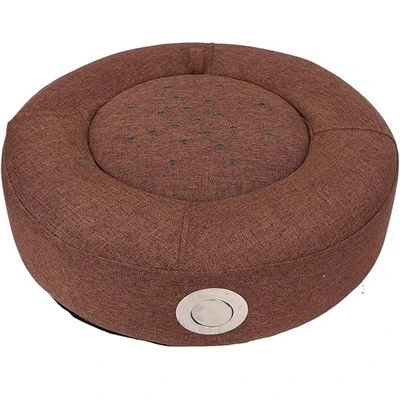
First, let’s cut through the hype. Moxibustion, for the uninitiated, is that traditional Chinese medicine practice where you burn dried mugwort (that fuzzy green herb, Artemisia argyi) to warm specific points on the body—usually acupuncture points. Our foot moxibustion boxes are tailored for the feet, since the soles have those super important points linked to all your internal organs, plus lots of people already have issues with cold feet (which, side note, can make respiratory stuff worse for some folks, but we’ll get to that). Now, respiratory problems range from mild allergies to seasonal congestion, asthma, COPD, chronic bronchitis—way different needs, so there’s no one-size-fits-all answer here.
Let’s start with the good stuff, because that’s where most of our positive feedback comes from, especially for folks with mild to moderate respiratory congestion or seasonal allergies. A lot of our customers with sinus issues, for example, swear by using our boxes when they feel that stuffy, head-heavy congestion coming on. Here’s why: moxibustion is warming, and gentle foot warming can boost circulation to areas that get sluggish when you’re congested. When your circulation picks up, that can help thin mucus, right? Not to mention, a lot of people with respiratory stuff deal with cold extremities—ice-cold feet even in warm rooms—and that low-grade chill can worsen sinus pressure or make you feel more achy, which makes breathing feel harder. Our boxes are low-smoke (more on that in a sec) so if you’ve got mild congestion and you stick to a low-heat, short session, most people don’t have issues. I had a customer last year, Lisa, who’s a 38-year-old teacher with seasonal allergies that turn into sinusitis every spring. She told me she tried steam showers, neti pots, even prescription meds, but nothing beat a 15-minute foot moxibustion session on low heat first thing in the morning before her classes. She said she didn’t get that post-shower congestion spike and could breathe easier all day. That’s the real stuff—no overpromising, just small, manageable relief that fits into a normal routine.
But wait, I know what you’re thinking—what about the smoke? Because moxibustion does produce some smoke, and if you’ve got asthma or severe COPD, that’s a big concern. Let’s be clear: our boxes are designed to minimize smoke, not eliminate it entirely. We use high-grade, compressed mugwort cones that burn more evenly with less particulate matter than loose mugwort, and each box has a ventilation system that pulls the smoke up and out without blowing it directly at your face. But here’s the key: it’s still smoke, even low-smoke smoke. For someone with severe asthma that’s triggered by any airborne irritant—perfume, candle smoke, even wood smoke—any moxibustion smoke, even from our boxes, might set off a flare-up. That’s not us saying our product is bad for them; it’s just that respiratory sensitivity is super individual. I’ve had a customer with mild asthma who uses our boxes weekly with no issues, but another with moderate asthma had to stop after one session because she noticed wheezing. That’s why, for people with more severe respiratory conditions, we always say “proceed with caution” and check in with your doc first.
Now, let’s talk about the other side: when it’s a hard no, or at least a big red flag. If you have uncontrolled severe asthma, COPD, or any condition that makes you extra sensitive to airborne irritants and smoke, do NOT use our boxes without explicit clearance from your primary care provider or pulmonologist. We can’t stress that enough. Also, if you’ve had recent respiratory surgery, or you’re actively dealing with a severe infection (like pneumonia or a bad case of bronchitis with fever and chest tightness), moxibustion’s warming effect might actually worsen inflammation, which would make breathing harder. That’s not a judgment— that’s science. Traditional moxibustion’s warming is meant for chronic, non-acute conditions, not active infections, so it’s best to hold off until your doc gives you the green light.
Wait, but there’s a middle ground for a lot of people, right? Like, what about folks with mild asthma or mild COPD who want to try this? We’ve put together a super specific safety guide for exactly that group. First, start tiny. First session, use only 1/3 of a small mugwort cone, set the heat to the lowest setting, keep the session to 8 minutes max, and open a window or turn on a small fan to pull any extra smoke away from your face. Sit in a well-ventilated room, don’t cover your mouth or nose directly, and pay close attention to how you feel. If you start coughing, wheezing, or your chest feels tight, stop immediately. A lot of people who push too hard too fast end up having a bad experience, and that’s on them, but we’re here to give them the tools to do it safely.
Also, let’s address a common myth: some people think moxibustion “heals” respiratory conditions, which we never claim. We’re talking about complementary relief here, not a replacement for inhalers, prescription meds, or whatever your doctor has you on. We had one customer, Mark, who has moderate COPD and uses oxygen full-time. He told his doctor he wanted to try our boxes for his constant cold feet, and his doc said, “If it doesn’t make your breathing worse, go for it.” Mark started with 5-minute sessions on the lowest setting, and he says it takes the edge off the cold in his feet and doesn’t mess with his oxygen levels or breathing at all. That’s exactly the sweet spot we’re talking about—small, non-intrusive relief that fits with existing care, not a miracle cure.
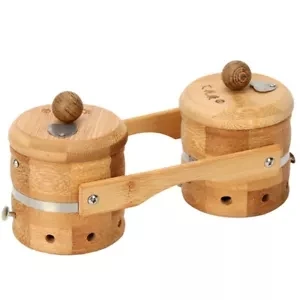
Now, let’s get into why our boxes are actually better than other moxibustion products for people with respiratory stuff, versus, say, loose moxa sticks you hold in your hand over a foot. Those sticks burn way more smoke, and if you get too close, the smoke goes right up your nose. Our boxes are enclosed, so the smoke is contained, only comes out through that ventilation system, and you can stand or sit away from it, so it’s not blowing directly at your face. That’s a big design choice we made after hearing feedback from people who hated the smoke from traditional moxa sticks—especially folks with breathing issues. We tested 12 different box designs before landing on the one we use now, and part of that testing was bringing in people with mild allergies and asthma to see how they reacted to the smoke output.
But let’s be real—we don’t want anyone coming to us with a bad experience, either. Here’s what we recommend every single person do, regardless of their respiratory health: if you have any existing condition, talk to your doctor before trying our foot moxibustion box. Even people without respiratory stuff should test for sensitivity first—light a small mugwort cone, hold it 12 inches away from your face for 10 seconds, and see if you have any reaction. If you don’t, you’re already ahead of the game.
I wanna wrap this up with something honest, because that’s what this whole blog is about. We started this company because we saw so many people frustrated with products that either overpromised or were too risky for people with specific health needs. We’re not here to sell you something that’s gonna make your asthma worse, or give you false hope that this’ll cure your COPD. We’re here to say: for a lot of folks with mild to moderate respiratory issues, gentle, low-smoke foot moxibustion can be a safe, small way to add some relief to your routine, as long as you do it right. For people with severe respiratory conditions? It’s a maybe, but only with your doctor’s okay, and with super strict safety limits. For people with acute infections or uncontrolled conditions? It’s a hard pass, and that’s not a knock on you—it’s a respect for your health.
If you’re reading this and you’re curious about trying our foot moxibustion box, or you’ve got questions specific to your own respiratory situation, don’t be shy to reach out. We have a whole team of people who work with folks with different health needs, and we’ll walk you through every step, from choosing the right box size to setting your first session’s parameters. We don’t pressure anyone to buy, but if this is something that could help you, we’re here to make it as safe and easy as possible.
Moxa Pillow References:
- World Health Organization. (2019). Traditional Medicine Strategy 2019-2023. WHO Press.
- National Center for Complementary and Integrative Health. (2021). Moxibustion: What You Need to Know. U.S. Department of Health and Human Services.
- Global Initiative for Chronic Obstructive Lung Disease (GOLD). (2023). Global Strategy for the Diagnosis, Management, and Prevention of Chronic Obstructive Pulmonary Disease. GOLD.
- American College of Allergy, Asthma & Immunology. (2022). Indoor Air Pollutants and Asthma Flare-Ups. ACAAI.
Jiaxing Yuanfan Imp. & Exp. Co., Ltd.
As one of the most professional foot moxibustion box manufacturers in China, we’re featured by quality products and good service. Please rest assured to wholesale high-grade foot moxibustion box made in China here from our factory. Contact us for quotation.
Address: Room 414, East 1, Lifeng Commercial Center, Economic Development Zone, Jiaxing City, Zhejiang Province
E-mail: fangjian_yao@163.com
WebSite: https://www.yuanfanmugwort.com/
