Hey there, it’s Jake, and I’ve spent the last decade of my life knee-deep in fence netting—first installing it for residential neighborhoods, then scaling up as a Fence Netting supplier that works directly with homeowners, contractors, and local property managers. Over those years, the most common question I get isn’t about pricing or delivery timelines—it’s this: Is fence netting actually suited for residential areas? Fence Netting

I get it. Walk through any new subdivision, and you’ll see wooden picket fences that look like they belong in a postcard, vinyl fences that never need staining, even ornate wrought iron that adds curb appeal like nothing else. Fence netting? It’s the one product people see as “temporary,” “cheap,” or just… not for nice neighborhoods. Let’s tear that myth apart, because the truth is, fence netting is one of the most underrated, versatile, and actually well-suited options for residential spaces—when you pick the right type.
First, let’s clear up what we’re talking about (no, not that flimsy farm stuff)
Before we dive into residential use, let’s define the fence netting I sell. This isn’t the thin, easily torn plastic mesh you might use for a weekend garden project. The residential-grade netting we supply is built from high-density polyethylene (HDPE), galvanized steel, or sometimes a reinforced blend of both. It comes in different gauge thicknesses, mesh sizes, and UV-stabilized formulas—so it doesn’t turn brittle after six months in the sun. I’ve had customers tell me they assumed netting was only for horse pastures, but that’s like saying a Honda Civic is only for farm roads. It just depends on the model.
Let’s break down the key reasons it works for homes, and the times it might not (because I’m not here to sell you something that’s wrong for your space—honesty is the first rule of my business).
1. It solves the big residential problems other fences can’t touch
If you’ve ever owned a home with a yard, you know the headaches that come with standard fences. Let’s start with kids and pets. A 4-foot wooden picket fence leaves enough space between slats for a small toddler to slip through, or a Chihuahua to squeeze under. Even a 6-foot privacy fence? A determined golden retriever will scale it, or a curious cat will dig under.
Residential-grade fence netting changes that. The mesh sizes we supply range from 2 inches (perfect for keeping small pups or bunnies in) to 4 inches, which still works for big dogs and keeps toddlers from slipping through. The galvanized steel versions come with a coated finish that prevents rust, and when stretched tightly between posts (we always recommend setting 4×4 pressure-treated posts every 8 feet, same as you would for any other fence), it’s almost impossible for a dog to scale. I installed a steel netting fence last year for a family in a suburb west of Chicago whose Great Dane kept escaping to raid the neighbor’s trash. Six months later, they texted me to say it’s held up, no escapes, and it’s way easier to trim around than their old wooden fence.
Then there’s the issue of cost. Let’s be real: a 100-foot privacy fence runs $2,500 to $5,000 installed, depending on the material. A comparable residential netting fence? It’s $800 to $1,500, including posts and hardware. For homeowners on a tight budget, or people who rent and can’t install permanent fencing, this is a game-changer. One of my regular customers is a young couple in Austin who just bought their first home and used a UV-stabilized HDPE netting fence to section off their side yard for a garden. They told me they saved enough to buy a nice outdoor table instead of wasting the money on a fancy fence they’d have to paint every other year.
2. Curb appeal: It’s not the eyesore you think it is
This is the objection I hear most, so let’s get specific. People say, “Netting will make my neighborhood look like a construction zone.” But here’s the thing: residential netting comes in colors now—black, dark green, tan, even gray. We also sell version with a “privacy weave” that blocks 85% of the view, so you don’t have people looking into your yard while you’re grilling.
I’ve installed a dark green HDPE netting fence for a family in a historic neighborhood in St. Louis, and they were worried the historic commission would flag it. Nope—they loved it because it blended in with the oak trees in their yard, was low-maintenance, and didn’t block the architectural details of their home like a solid vinyl fence would. Another client in Miami used black steel netting to section off his pool area; it’s sleek, modern, and doesn’t look out of place with his contemporary-style home.
And here’s a huge bonus for homeowners who care about nature: unlike solid fences, netting doesn’t block airflow. That means wind can pass through during storms, so you’re less likely to have posts get knocked over, or your fence get damaged in heavy rain. Solid privacy fences can create wind tunnels that damage trees in your yard too—something I’ve seen dozens of customers complain about after installing them.
3. Flexible enough for every residential space, no matter the size
Residential yards aren’t all the same. Some have weird angles, sloped ground, or small spaces that make standard fences a hassle. Netting is easy to customize. Need to curve around a tree? No problem—you can bend netting to follow the shape of a post or a landscape feature. Have a sloped backyard? You don’t have to cut fancy sections of wood to fit; netting can be adjusted at the top of each post to match the slope, so it’s continuous without gaps.
I had a customer in Denver with a very steep side yard who tried installing a wooden picket fence, but it kept leaning because the ground was uneven. He switched to our galvanized steel netting, which we attached to adjustable brackets on the posts so it sits perfectly level, even on a slope. He saved hundreds of dollars in installation costs because we didn’t have to cut custom wood pieces for each section.
It’s also great for small spaces like balconies or patios. We sell light-weight, UV-stabilized netting that attaches to balcony railings to keep cats from jumping off, or to add a little privacy for outdoor dining. A customer in Seattle used it on her 2nd-floor balcony, and said it didn’t take up the space that a solid plastic panel would have, so she could still fit her outdoor seating.
Wait—when is fence netting NOT right for residential areas?
I’m not going to lie to you. Fence netting isn’t the best choice for every home. If you want full, uncompromising privacy—like, you don’t want anyone to see a single inch of your yard—then netting (even the privacy weave) isn’t going to match a solid fence. For that, you’d need something like vinyl or wood. Also, if you live in a neighborhood with strict HOA rules that ban all “non-traditional” fencing, you’ll need to check with your HOA first. I’ve had a few customers run into that, so I always advise them to get the rules in writing before making a purchase.
Another thing: if you’re planning to keep large livestock, like horses, netting isn’t strong enough for that—stick to heavy-duty farm fencing. But for dogs, kids, garden sections, or pool safety? It’s more than enough.
Real-world examples, not just sales talk
Let me share a couple of stories that make this real. Last year, I worked with a family in Cleveland whose 7-year-old son has autism and loves to run. They had a wooden fence, but he’d figured out how to open the gate, and the street was busy. We installed a black galvanized steel netting fence with a locking gate (we sell those too, not just the mesh) around their entire backyard. Six months later, the mom emailed me to say it was the best home improvement project they’d ever done. “We can let him play outside without panicking every time he heads for the front door,” she said. “And it doesn’t look like a prison, it looks just like a nice fence.”
Another story: a couple in Phoenix who had a big backyard and wanted to grow citrus trees and vegetables. They tried a wood fence, but it got so hot in the Arizona sun that it faded and warped within two years. They switched to our UV-stabilized HDPE netting in tan, which blends in with the desert landscaping. It’s been three years, and it’s still bright, no fading, easy to hose off when dirt accumulates around their plants. They saved so much on maintenance that they were able to build a small patio area last year.
Final thoughts for homeowners considering fence netting
At the end of the day, residential fence netting isn’t just suitable—it’s a smart choice for most homes, especially when you pick the right type for your needs. It’s affordable, low-maintenance, versatile, and solves problems that solid fences can’t. The stigma that it’s “farm-only” or “temporary” is just that—a stigma, from people who haven’t seen the residential-grade options we manufacture.
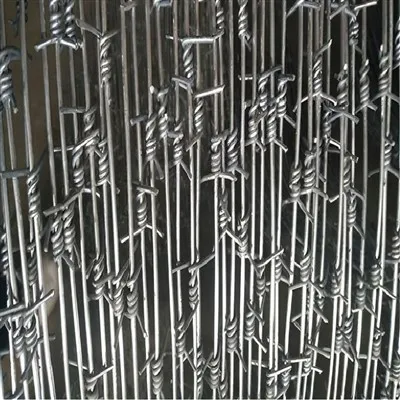
If you’re tired of paying premium prices for a solid fence that doesn’t fit your yard, or you need a safe, flexible option for kids, pets, or garden space, fence netting deserves a spot on your shortlist. If you’re ready to learn more about which type is right for your home, or get a custom quote for your property, reach out to our team to discuss your needs. We’ll walk through color options, mesh sizes, installation tips, and make sure you get exactly what works for your residential space—no pressure, just honest advice.
Barbed Wire Before you go, I want to add a quick note: the best residential fencing isn’t about what’s trending or what’s most expensive. It’s about what fits your family, your yard, and your budget. Fence netting checks all those boxes, and I’ve seen that play out in hundreds of neighborhoods across the country.
References
- American Fence Association. (2022). Residential Fencing Trends & Performance Standards. Retrieved from industry resources on residential fencing materials for small to mid-sized properties.
- National Gardening Association. (2021). Cost-Effective Barriers for Home Gardeners. Guide to low-cost, durable fencing for urban and suburban residential gardens.
- International Code Council. (2020). Residential Fence Safety Guidelines. Specifications for child and pet containment fencing for residential use.
- HDPE Structural Plastics Association. (2023). UV-Stabilized Polymer Products for Outdoor Residential Applications. Performance data for long-term durability of UV-stabilized HDPE fence netting in suburban climates.
- Galvanizers Association. (2022). Galvanized Steel Fencing for Residential Use. Corrosion resistance data for coated steel netting in suburban and coastal residential environments.
Anping Chengshuai Slope Protection Engineering Manufacturer
As one of the most reliable fence netting manufacturers and suppliers in China, we have world-leading production equipment and strong manufacturing capabilities. Please rest assured to buy cheap fence netting for sale here from our factory. For price consultation, contact us.
Address: 200 meters east of Wanghulin Village, Anping County, Hengshui City, Hebei Province, China.
E-mail: elfwangwang@gmail.com
WebSite: https://www.chengshuaislopeprotection.com/
