Hey everyone, I’m Jake, been running a small-scale pig supply operation for about 12 years now, and let me tell you—one of the most common questions I get from new buyers is, “How the heck do you move pigs cross-state or even cross-country without messing ’em up?” I get it—long trips in a truck, all cooped up, loud noises, new smells? That sounds miserable for literally any living thing, let alone pigs. So today I wanna pull back the curtain on what actually goes into getting my pigs from Point A to Point B without making ’em stressed, sick, or even injured. No fancy jargon, just the real stuff I’ve learned from years of trial, error, and working with vets who actually know pigs. Pig

First off, let’s get one thing straight: pigs aren’t just big, stinky dogs. They’re super smart, way more sensitive to stress than people give ’em credit for. I once made the stupid mistake of cramming 20 more pigs into a trailer than I should’ve back when I first started, and half the group ended up with bloody shoulders from rubbing against each other, plus two pigs got so stressed they stopped eating for three days after we unloaded. That’s the kind of story that sticks with you—now I follow every rule like it’s gospel, and half of it comes from watching how pigs act in their natural environment, not just some textbook.
The biggest thing that affects how pigs handle long hauls? Load density. I know every truck operator has their own number, but let’s keep it simple: pigs need space to stand, turn around, and lie down flat. Pigs don’t like being squished any more than you’d like being stuck in an elevator for 12 hours. For market hogs (the ones we sell for meat), I go by about 0.75 square feet per 100 pounds. For breeding gilts or boars—way more sensitive, right? I bump that up to 1.25 square feet per 100 pounds. Last month I had a buyer insist on a 10-hour trip for their show pigs, and they tried to cut the space by 20% to save on fuel. I said no way—those pigs would’ve been so tense they’d have started fighting, and that’s not a sale I wanna make. Fights are a big stressor too, by the way. Pigs have a pecking order, and if you mix groups last minute without letting them sort it out (which takes a few days, not minutes), you get so much aggression. Now I always ask buyers if the pigs are coming from the same farm or different ones—if it’s different, I’ll give ’em a heads up to hold off on mixing until we’re on the road, or I’ll mix ’em in small batches early so they can work out the hierarchy without fighting hard.
Next up, temperature and ventilation. Pigs can’t sweat, remember? They only sweat a little through their snouts, so heat is their worst enemy. I’ve had hauls in 90°F (32°C) weather where I almost pulled over because I checked the trailer vent and it was barely moving. Now every single trailer I use has side vents that I can adjust, and I never leave pigs traveling when it’s over 85°F (29°C) unless it’s a super short trip. In winter? Yeah, pigs can handle cold, but not if they’re wet. If it’s 30°F (-1°C) and raining, I’ll throw a lightweight tarp over the top of the trailer to keep them dry—no need for ’em to get chilled. I also carry a little temperature gauge that I tape to the inside of the trailer, so I’m not guessing if it’s too hot or too cold. Once I pulled over at a rest stop in Ohio a few years back and saw a guy’s trailer—no vents, windows cracked so barely any air moved, pigs were huddled in the back panting so hard their sides were heaving. I talked to him for 10 minutes, gave him the tip about adjusting vents, and he said he’d never thought about it because he was so focused on getting to his destination on time. That’s the thing with pig transport—you can’t rush it.
Water and feed are non-negotiable, too. A lot of new transporters think pigs can go without feed for a full day, but no—especially young pigs or pigs that aren’t used to travel. I used to skip the pre-trip feed back in the day, and by the time we unloaded, pigs were so hungry they’d eat half the straw bedding I put down as clean-up. Now I feed them a light meal (half their normal amount) about two hours before loading, and I always have water troughs in the trailer that are set low enough for all pigs to reach, even the smaller ones. For trips longer than 12 hours, I’ll bring along extra water bottles I can pass through the vents if I notice some pigs are sluggish. Last year I did a 18-hour haul to a farm in Maine, and I stopped twice at rest stops to check water levels—one trough had clogged, so I fixed it quick before the pigs started getting dehydrated. Dehydration leads to way more stress than almost anything else, and it can make pigs develop respiratory issues too, which is a nightmare for everyone.
Stress is the silent killer on long hauls, right? I’ve had pigs come off a trip acting totally fine, then a few days later they stop eating and run a fever—turns out it’s transport fever, caused by stress suppressing their immune system. So I do a few little things to keep stress low before we even load. First, I never load pigs when they’re already tired. If they’re finishing up feeding, I wait 30 minutes so they’re not lethargic. Second, I talk to them the whole time I’m loading—pigs respond to calm voices, believe it or not. I’ll say “easy, easy” as I guide them up the ramp, and the ones that are skittles (all pigs have that one that bolts) usually calm down if I don’t yell or chase ’em. Also, I avoid loud noises at loading and unloading sites—no honking trucks, no loud machinery, nothing that’ll spook ’em. Once I had a loading dock with a squeaky door that made all the pigs bolt, so I oiled it right away—small thing, but it makes a huge difference.
Wait, what about night trips? A lot of folks say it’s better to haul pigs at night because it’s cooler, less traffic, less stress. I agree, but only if you do it right. Pigs are crepuscular, meaning they’re most active at dawn and dusk, so they’re more calm in low light, not pitch black. I never drive with just the trailer lights on at night—too dark. I keep the cab light off most of the time, and use small, dim lights inside the trailer to keep visibility high enough for them to move around without panicking. I also don’t do back-to-back night trips— I make sure the driver gets at least 8 hours of sleep between hauls, because a tired driver makes mistakes, and mistakes with pigs can lead to injuries or worse.
Oh, and one last thing I wanna mention: the condition of the pigs going into the trip. If a pig is already sick, or has a limp, or is pregnant late term (like more than 4 weeks before due date), I won’t haul it. Pregnant pigs can get stressed and abort if they’re jostled too much, and sick pigs can spread germs to the whole group. I always check every pig twice before loading—first at the farm we’re picking up from, then again right before we pull out—and I note anything off. Last spring I had a buyer order 15 replacement gilts, and when I got to the farm, one of them had a runny nose. I told the farmer I couldn’t take it, explained that it could spread to the others during the trip, and he ended up treating it before it was fit to travel. The buyer was actually glad I said something, because they would’ve had a whole group of sick pigs on their hands.
Now, let’s circle back to why this matters for you, as someone looking to buy pigs, right? You might be thinking, “Yeah, cool, but what does this mean for my order?” It means that when I send you pigs that’ve been on a long trip, they’ll be eating within 24 hours of unloading, no high stress issues, and healthy enough to grow or breed like they should. I never cut corners on transport, even if a buyer tries to rush me or save a buck. A lot of other suppliers will cram as many pigs as possible into a trailer, skip the extra stops for water, haul in 90°F heat just to make the delivery date— but that’s a bad deal for everyone. You get sick pigs, I get repeat customers, and nobody wins.
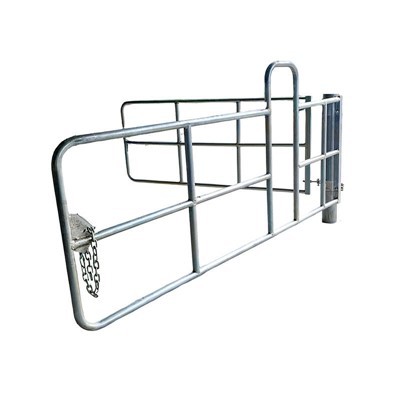
If you’re looking to order pigs for your farm, or just have questions about transport timelines, specific breeds, or anything else pig-related, feel free to reach out. I’m always happy to chat, no pressure. I’ve got 10 more years of stories (and mistakes) to share, and I wanna make sure your pigs get to you safe and sound.
Sheep Hurdles Now, quick refs for the stuff I talked about—this isn’t just my random opinions, okay?
- National Pork Board. (2021). Swine Transport Guidelines for Long-Distance Hauls. Des Moines, IA: Author.
- Australian Animal Health Laboratory. (2019). Stress Responses in Commercial Pigs During Road Transport. Geelong, VIC: Commonwealth Scientific and Industrial Research Organisation.
- University of Illinois Extension. (2022). Best Management Practices for Pig Loading and Haul Density. Urbana, IL: University of Illinois at Urbana-Champaign.
- Journal of Animal Science. (2020). Thermal Regulation in Pigs During Long-Distance Road Transport. Madison, WI: American Society of Animal Science.
Hebei Honde Industrial Trade Imp & Exp Co., Ltd.
Address: Room 1904, Yintai International Building, No.36 Guang’an Street, Shijiazhuang, Hebei, China
E-mail: Helen@hbhonde.com
WebSite: https://www.hondelivestocksupply.com/
